Recent Food Recalls: Alerts and Safety Information for Your Family and Pets

Recent Food Recalls: Alerts and Safety Information for Your Family and Pets

In an age where informed choices are paramount, staying abreast of recent food recalls is more critical than ever. This comprehensive guide provides essential food safety information, equipping you with the knowledge to protect your loved ones, including your pets, from potentially harmful products. We delve into the mechanisms of food recalls, the various types of alerts, and the vital role they play in safeguarding public health.

Understanding Food Recalls


Understanding the intricacies of food recalls is fundamental to ensuring public health and food safety. A food recall represents a manufacturer's or government agency's action to remove food products from the market that may be contaminated or otherwise unsafe for consumption. This critical process is often initiated due to possible contamination, such as with salmonella, listeria, or E. coli, or due to undeclared allergens, preventing potential food poisoning and protecting consumers from harmful substances.

What is a Food Recall?

A food recall is a voluntary or mandatory action to remove food products from distribution and sale when they pose a public health risk. These actions are often prompted by the discovery of contamination, such as salmonella contamination, or other safety concerns identified through routine testing, consumer complaints, or facility inspections. The goal of any food recall is to protect consumers from unsafe food and prevent food borne illnesses, ensuring that products like poultry or products containing specific ingredients meet stringent food safety standards.

Types of Food Recalls

Food recalls are categorized by the severity of the potential health hazard. Here's a breakdown:

Recall Class Health Hazard Severity
Class I Most serious; reasonable probability of serious adverse health consequences or death.
Class II May cause temporary or medically reversible adverse health consequences; probability of serious adverse effects is remote.
Class III Not likely to cause adverse health consequences, but violates regulations.
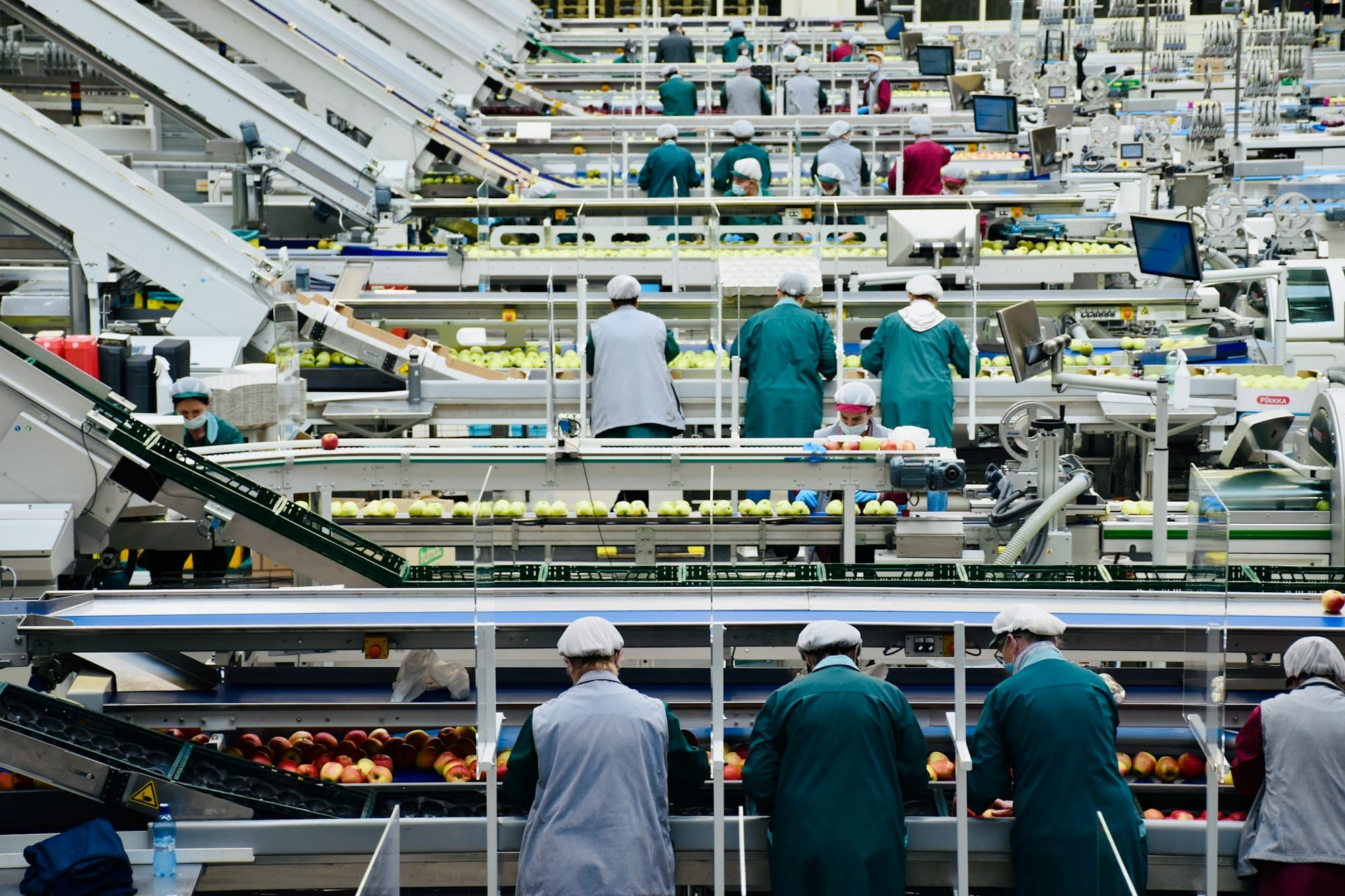
a group of men in a factory

Importance of Food Safety Alerts

Food safety alerts, whether issued by the FDA for FDA-regulated products or the FSIS for meat, poultry, and egg products, are crucial for informing the public about potential dangers. These alerts, often including recall information, enable consumers to identify and avoid products that may be contaminated with salmonella, listeria, or other harmful substances. Staying informed about these product recalls, such as those involving Dreyer's Grand Ice Cream or Outshine Fruit Bars due to possible foreign matter contamination, is vital for preventing food poisoning and safeguarding public health, ensuring consumers can make informed decisions and take necessary precautions to protect their families.

Recent Food Recalls

Overview of Recent Alerts

Recent food recalls have highlighted the ongoing importance of vigilance in food safety, with numerous alerts issued by regulatory bodies like the FDA and FSIS. These product recalls serve as critical reminders that even seemingly safe products may be contaminated, posing a risk to public health. Consumers should remain attentive to recall information, as these safety alerts provide essential details to prevent food poisoning and ensure the well-being of families and pets, underscoring the dynamic nature of food safety challenges.

Recent Recalls Due to Contamination

Several recent food recalls have been primarily driven by contamination concerns, including instances where products may be contaminated with salmonella or listeria. These food safety alerts often lead to the issuing of a public health alert by agencies such as the FDA or the Department of Agriculture's Food Safety and Inspection Service (FSIS) to inform the public. Such recalls are crucial for preventing widespread food borne illness and protecting public health, emphasizing the ongoing challenges in maintaining stringent food safety standards across the supply chain.

Here are the most important recent food recalls to know about for families and pets as of early September 2026.

Human food recalls (family safety)

  • Panorama Produce “Martina” mangoes (Salmonella risk)
    About 302 boxes of size‑9 mangoes sold under the Martina brand were recalled after potential Salmonella contamination. They were distributed to select Walmart stores in Connecticut, New York, New Jersey, and Pennsylvania between Aug. 10–21, 2026. Look for individual mangoes with a light blue “Agrofepac, Produce of Mexico” sticker, PLU 4584, UPC 07503061948050.
  • Raw beef from Argentina (missed inspection) – Class I recall Brand: Frigorifico Gorina SAIC boneless beef cuts (Top Sirloin Butt, Eye Round, Topside Cap Off, Flat, Knuckle). Importer: Corte Argentino USA LLC (FL). Amount: ~29,628 lbs. Why: Entered U.S. without required FSIS reinspection (Class I = highest risk).
  • Distribution: Retail/distributors in Florida and Texas; use/freeze‑by Sept 15–20, 2026.
  • Frozen organic berries (E. coli) – Walmart “Great Value” Product: Great Value Organic Triple Berry Blend (10 oz), lot code 6040 01‑6, Best By Feb 9, 2028. Why: Possible E. coli O145:H28 contamination. Where sold: Walmart stores in 16 states (AL, AR, FL, IL, IN, KY, LA, MN, MS, MO, NC, OH, OK, SC, TX, WI). Status: Recall expanded on Sept 2–4, 2026; linked to a multistate outbreak (17 cases, 6 hospitalizations).
  • Eggs & Poultry: Millions of eggs and select poultry products containing contaminated ingredients have faced regional and nationwide withdrawals.
  • Kofinas Garlic Mediterranean Infused Extra Virgin Olive Oil
    Voluntary recall because the product uses a garlic essential oil not approved for culinary use. Sizes include 100 ml, 250 ml, and 500 ml bottles sold from Aug. 31, 2025 through Aug. 27, 2026 at various retailers.
  • Donutful Chocolate Dipped Vanilla Cake Donuts (undeclared milk)
    The Better Bakehouse Snack Company recalled specific lots manufactured in March 2026 due to undeclared milk, posing a risk to people with milk allergies. These were distributed nationwide and via Amazon.com.
  • Everything Sprouts alfalfa sprouts and Robust Radish Mix (E. coli/Salmonella)
    Expanded recall covering certain lots of alfalfa sprouts and Robust Radish Sprout Mix due to possible contamination with Shiga toxin–producing E. coli (STEC) or Salmonella. Distributed to wholesale and grocery channels in Minnesota and Wisconsin; 55 illness reports have been linked to the sprouts.
  • Cuisinart metal wire bristle grill brushes (ingestion hazard)
    Though not a food, this is a major kitchen safety recall: over 3.6 million Cuisinart wire‑bristle grill brushes were recalled because bristles can detach, stick to food, and cause serious internal injuries if swallowed. Sold at Walmart, Burlington, TJ Maxx, Ross, Amazon, and Cuisinart’s site from 2009–March 2026.
  • Only specific Outshine Fruit Bars are affected: Flavors (6‑count, 2.5 oz bars): Strawberry, Watermelon, Grape, Tangerine, Black Cherry, Plus: the 24‑count Variety Pack of 2.5 oz bar
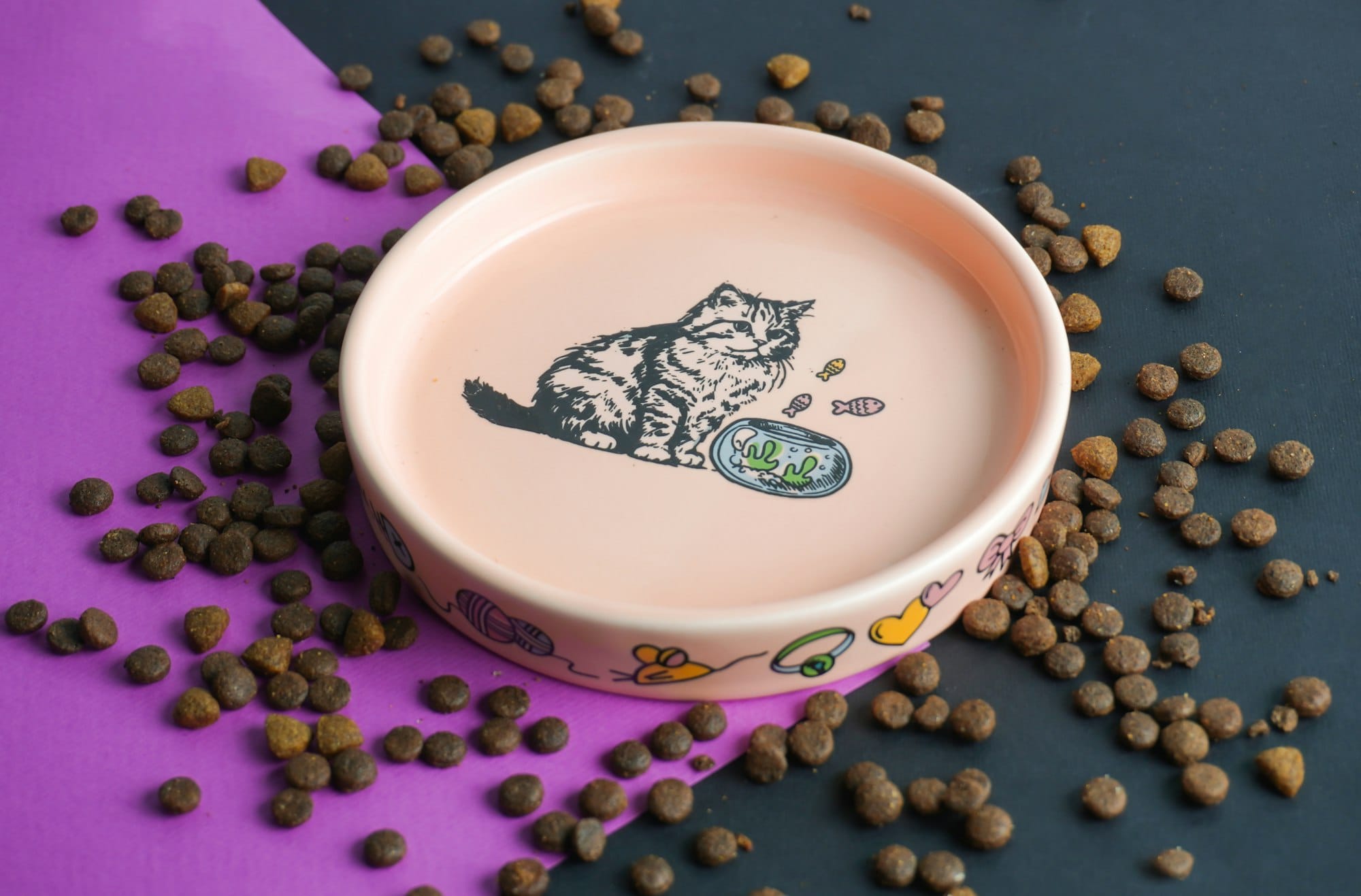
A bowl filled with dog food on top of a purple surface

Pet food recalls (dogs, cats, and other pets)

  • Northwest Naturals frozen raw chicken recipes (Salmonella/Listeria)
    Two products recalled nationwide:
    • Northwest Naturals Frozen Chicken Recipe (cat food/protein topper; 2‑lb bag, Lot B‑5, Best By 01/26/2028, UPC 087316384956) — tested positive for Salmonella.
    • Northwest Naturals Frozen Raw Diet for Dogs Chicken Recipe (6‑lb bag, Lot B‑19, Best By 01/25/2028, UPC 087316380392) — tested positive for Listeria monocytogenes and Salmonella.
      Risk extends to people handling the food or contaminated
  • Fromm wet canned dog food (metal contamination)
    Fromm Family Foods issued a voluntary recall of certain wet canned dog food lots due to potential metal
  • Oma’s Pride canine chicken recipe (Salmonella)
    One lot of Woof Complete Canine Chicken Recipe recalled for possible Salmonella
  • Pedigree High Protein Chopped Chicken & Duck wet dog food (plastic)
    Two lots recalled due to potential foreign plastic
  • Other ongoing pet alerts
    Tracking sites list additional active advisories/recalls for raw and freeze‑dried foods (e.g., Raaw Energy, Albright’s, Young Again, Elite Treats, Go Raw/Quest) due to Salmonella, Listeria, E. coli, or low thiamine. These are often nationwide and ongoing.dogfood

What to do if you have a recalled item

  • Stop using/feeding the product and keep it separate from other foods.
  • Check lot codes, “best by” dates, and UPCs against recall notices.
  • For pet food: watch for symptoms (vomiting, diarrhea, lethargy, loss of appetite) and contact your vet if your pet ate a recalled product or seems ill.
  • Return or dispose per the manufacturer’s instructions; many offer refunds/replacements.
  • For human foods with allergy risks or contamination, discard and clean any surfaces/containers that touched the product.
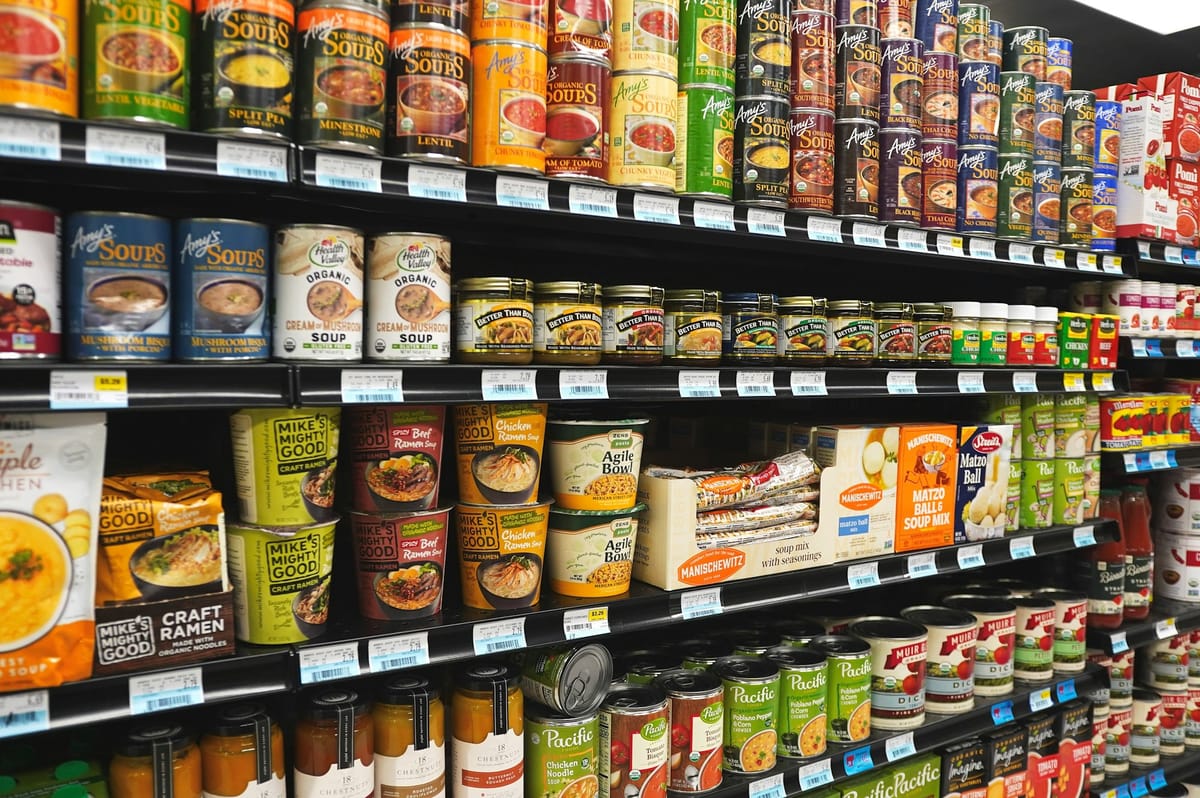
a display in a grocery store filled with lots of fruits and vegetables

Common Contaminants in Food Products

Salmonella and Its Health Risks

Salmonella is one of the most frequently identified bacterial contaminants in food products, posing significant health risks to consumers. Contaminated with salmonella, products such as poultry can lead to severe food poisoning, characterized by fever, diarrhea, and abdominal cramps. The FDA and the Department of Agriculture's Food Safety and Inspection Service (FSIS) often issue food recall alerts when salmonella contamination is detected, underscoring the gravity of this pathogen and its potential impact on public health.

Understanding Listeria Contamination

Listeria monocytogenes, another dangerous bacterium, is a common contaminant found in various food products, particularly in ready-to-eat foods, dairy products, and produce. Understanding listeria contamination is crucial because it can cause listeriosis, a serious infection that can be especially dangerous for pregnant women, newborns, the elderly, and individuals with weakened immune systems. Food recall alerts due to possible listeria contamination are frequently issued by the FDA for FDA-regulated products, emphasizing the importance of stringent food safety protocols to safeguard public health.

Escherichia Coli (E. coli) and Foodborne Illness

Escherichia coli (E. coli), particularly certain virulent strains like E. coli O157:H7, is a significant cause of foodborne illness and a common contaminant in food products, especially in undercooked ground beef, unpasteurized milk, and contaminated produce. When products containing E. coli are identified, immediate food recall alerts are issued by agencies such as the FDA or FSIS, depending on the product type. These recalls are critical for preventing severe health consequences, including kidney failure, and protecting public health from the dangerous effects of E. coli contamination.

How to Stay Informed on Food Safety

Monitoring Food Recall Alerts

Monitoring food recall alerts is a critical aspect of maintaining food safety and protecting public health. Consumers should regularly check sources like the FDA and the Department of Agriculture's Food Safety and Inspection Service (FSIS) websites for the latest recall information. These agencies frequently issue safety alerts and updates on product recalls, including details on products that may be contaminated with salmonella, listeria, or E. coli, helping individuals avoid potential food poisoning.

Resources for Recall Information

Several reliable resources provide essential recall information, ensuring consumers are well-informed about potential food safety hazards. News outlets and consumer advocacy groups often aggregate these food recall alerts, making it easier to track recent food recalls and understand the specific reasons for a recall, such as possible foreign matter contamination or salmonella contamination.

 https://www.fda.gov/safety/major-product-recalls/2026-recalls-food-products-associated-fresh-jalapenos-sinaloa-mexico-and-distributed-coast-citrus

Steps to Take After a Recall Announcement

After a recall announcement, immediate action is crucial to safeguard public health. To determine if you possess any of the recalled products, you should:

  1. Verify the recall information, including brand names, batch codes, and expiration dates.
  2. If you do have the recalled product, do not consume it. Instead, follow the distributor's instructions for return or disposal. This might involve returning it to the store for a refund or discarding it according to specific guidelines, especially for products like Outshine Fruit Bars or Dreyer's Grand Ice Cream recalled due to possible foreign matter contamination. 

Protecting Your Family and Pets

girl in gray long sleeve shirt sitting on green grass field during daytime

Food Safety Practices at Home

Implementing stringent food safety practices at home is paramount to protecting your family and pets from foodborne illnesses. Always wash your hands thoroughly before and after handling food, especially raw meat or poultry. Keep raw and cooked foods separate to prevent cross-contamination. Cook foods to their recommended internal temperatures, and promptly refrigerate or freeze perishables. These measures significantly reduce the risk of contamination from bacteria like salmonella or listeria, safeguarding against food poisoning.

Signs of Food Poisoning

Recognizing the signs of food poisoning is vital for prompt action and medical attention. Symptoms often include nausea, vomiting, diarrhea, abdominal cramps, and fever. These can manifest within hours or even days after consuming food that may be contaminated with salmonella, E. coli, or listeria. If anyone in your family or your pet exhibits these signs after consuming a product subject to a food recall alert, seek professional medical or veterinary care immediately to prevent severe health consequences.

Reporting Issues with Food Products

Reporting issues with food products is a crucial step in maintaining public health and ensuring food safety for everyone. If you suspect a product may be contaminated, whether it's poultry or another item, or if you experience symptoms of food poisoning after consumption, contact the FDA or the Department of Agriculture's Food Safety and Inspection Service (FSIS) immediately. Your report can trigger an investigation, potentially leading to a food recall and preventing others from experiencing harm from unsafe products.

Read more