How to Prepare Your Kids for a New Pet

Welcoming a new furry family member into your home is an exciting milestone, but proper preparation is essential to ensure a smooth transition for both your children and the animal. Before you even begin to think about getting a pet, it is vital to sit down and discuss what this new responsibility entails. Children often dream of the fun aspects, such as playing and cuddling, but they need to understand that a new puppy or kitten requires a lot of patience, attention, and daily care to thrive in their new environment.
Choosing the Right Pet
When you decide to choose the right pet for your household, you must carefully evaluate the various types of pets available and how they will fit into your dynamic. Whether you are leaning toward a friendly dog or cat, a playful hamster, or another animal, each option comes with distinct requirements. Researching specific dog breeds or other species can help you determine which temperament aligns best with your child’s personality and energy level, ensuring a harmonious and lasting relationship from day one.
Understanding Your Family's Lifestyle
Every household has a unique daily rhythm, and understanding your family's lifestyle is a crucial step before you bring home a new pet. Consider how much free time you have, your work schedules, and your children's school and extracurricular commitments. If your household is constantly busy and active, you will need a resilient family pet that can handle excitement. Conversely, a quieter home might be better suited for a calm animal that prefers relaxation over high-intensity play and constant stimulation.

Factors to Consider When Getting a Pet
There are numerous practical factors to consider when getting a pet, extending far beyond initial excitement and cute appearances. You must evaluate your living space, budget, and potential allergies among family members before making any final decisions.
Additionally, think about long-term financial commitments to keep your new friend healthy and happy, as outlined below:
| Category | Commitments & Supplies |
|---|---|
| Healthcare & Sustenance | Quality food, routine vet visits, and veterinary care |
| Care & Accessories | Grooming supplies, crate, leash, or litter box |
First-Time Pet Ownership: What to Expect
Embarking on first-time pet ownership can be both thrilling and overwhelming, so knowing what to expect is key to managing everyone's expectations. Parents should teach their child that a pet might initially feel nervous, shy, or hesitant when they first arrive in an unfamiliar place. By establishing a comprehensive checklist and introducing basic care tips early on, you can foster a deep sense of responsibility in your child while ensuring the newest member of the family feels completely safe and secure.

Preparing Your Kids for a New Pet
Welcoming a new furry family member into your home requires deliberate effort, especially when you are preparing your kids for the arrival of a new puppy or a playful kitten. To ensure success, you should proactively teach your child about the daily care and the dedication involved in taking care of a pet. You can start by using a stuffed animal to demonstrate how to gently cuddle and pet the creature without causing any stress. Discussing these foundational concepts early on helps build a strong sense of responsibility, ensuring that your child understands that pets need consistent attention, feeding, and affection to thrive in a shared living space.
Teaching Responsibility and Care
When focusing on teaching responsibility and care, parents should outline specific chores that align with their child’s age and maturity level. Whether you decide to adopt a high-energy dog or cat, a gentle hamster, or another species, establishing a detailed checklist is essential.
| Pet Care Category | Specific Tasks and Responsibilities |
|---|---|
| Daily Maintenance | Refilling the water bowl, maintaining a clean litter box, and keeping a cozy crate |
| Animal Upkeep & Health | Helping to groom the coat, regular veterinary checkups, routine vet visits, and keeping up with necessary vaccinations |
Explaining these aspects of pet care ensures that your child views the animal as a living being requiring lifelong commitment rather than a temporary toy.
Involving Kids in the Decision-Making Process
Involving kids in the decision-making process makes them feel valued and invested in the journey of getting a pet. When you choose the right pet together, take time to research various dog breeds and other types of pets to find a family pet that matches your household. Before you bring your new pet home, let your children help select accessories such as bowls, toys, and a comfortable bed. When the new pet arrives, allow the animal to calmly sniff and explore its surroundings without overwhelming it. Teaching your child that a pet might need time to adjust prevents accidents like an unexpected nip and fosters a patient, loving bond.
Creating a Calm Environment for the Pet
Creating a calm environment for the pet is vital during the transition period when you finally bring a pet into your busy household. A new pet's transition can be stressful, so it is important to designate a quiet space where the new friend can rest undisturbed. Explain to your kids that loud noises and sudden movements can frighten a new furry family member. By demonstrating peaceful behavior, you help the veterinarian and the family ensure the pet's well-being. Ultimately, preparing your child for first-time pet ownership guarantees that every member of the family enjoys a harmonious, joyful, and long-lasting relationship with their companion.
 Bonnie
Checklist for Bringing Home a New Pet
Home Preparation & Safety
- Pet-proof the space: Remove toxic plants, secure loose electrical cords, and lock away chemicals or medications.
- Designate a safe zone: Set up a quiet room, crate, or pen with a comfy bed and blankets where your pet can decompress away from heavy traffic.
- Secure boundaries: Check windows, doors, and yard fences for any gaps or escape routes.
Essential Supplies
- Feeding gear: High-quality, age-appropriate food and sturdy stainless steel or ceramic water and food bowls.
- Identification: A well-fitting collar with an up-to-date ID tag and a microchip.
- Walking & travel: A sturdy leash, harness, and a secure car crate or seatbelt harness.
- Comfort & play: A washable bed, crate or carrier, and a variety of stimulating toys.
- Cleanup: Enzyme-based cleaner for accidents, poop bags, and grooming tools appropriate for your pet's coat.
Veterinary & Routine Care
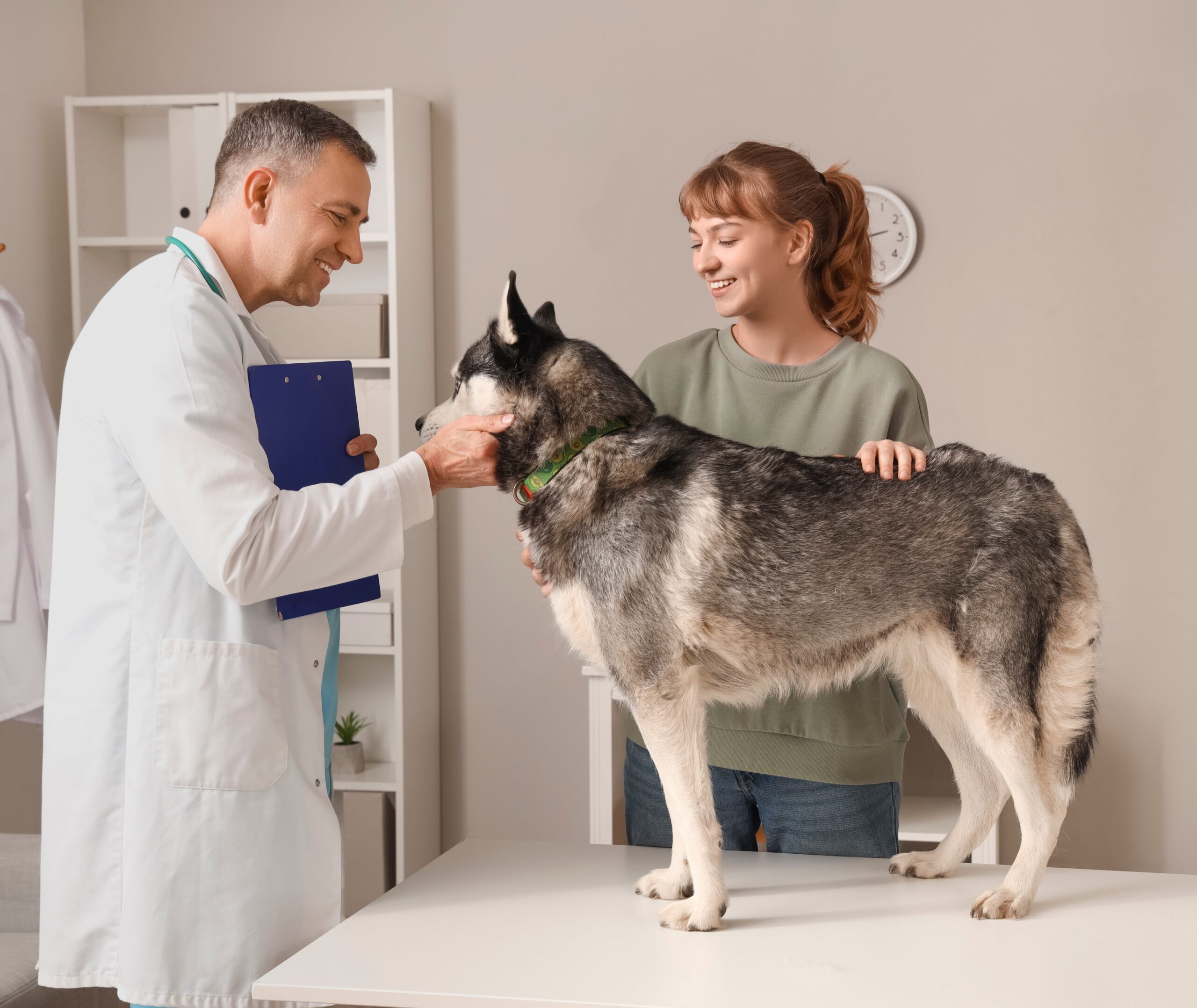
- Schedule a check-up: Book an initial wellness exam with a veterinarian within the first week.
- Maintain familiarity: Stick to the same food your pet ate at the shelter or breeder for the first week to prevent stomach upset.
- Establish routine: Keep feeding, potty breaks, and play times consistent to help your pet feel secure.
Preparing a comprehensive checklist is an essential step when you are getting a pet for your household. Before you bring home your new furry family member, ensure you have gathered all necessary supplies. Reviewing dog breeds or other types of pets helps you choose the right pet for your lifestyle.
Always consult a veterinarian for guidance on vaccinations and general pet care to keep your animal healthy.
Essential Supplies for Your New Pet
Gathering essential supplies before your new pet arrives guarantees a smooth transition for everyone involved. Whether you welcome a playful puppy, a curious kitten, or a quiet hamster, each species requires specific items. Stock up on nutritious food, durable toys, grooming tools to brush the coat, and a leash. When you bring a pet into your home, having these items ready allows you to focus on bonding. Proper care of a pet starts with investing in quality accessories that cater to the daily needs of your new companion.


Setting Up the Living Space
Setting up the living space requires careful planning to ensure the area is safe and welcoming for your new family member. Designate a quiet corner where the animal can relax without feeling overwhelmed by household noise. Keep electrical cords tucked away and remove any toxic plants. When you bring your new pet home, allow the creature to explore at its own pace. Teach your child to respect the designated rest zone, ensuring the pet feels secure as it adjusts to its unfamiliar surroundings and learns the household rules.
Planning for Vet Visits and Health Care
Planning for routine vet visits and comprehensive veterinary care is a fundamental responsibility of pet ownership. Schedule an initial health checkup shortly after adoption to discuss parasite prevention, microchipping, and the necessary vaccination schedule. Establishing a relationship with a trusted veterinarian ensures your companion receives prompt attention if illness occurs. Involving kids in discussions about healthcare fosters a strong sense of responsibility, helping them understand that maintaining the well-being of a dog or cat involves ongoing medical attention, proper nutrition, and continuous daily monitoring.
Frequently Asked Questions About New Pets
Navigating common questions about pet ownership helps parents address concerns before they escalate into larger behavioral challenges. Many families wonder how to handle initial anxieties, establish consistent routines, and integrate the animal into daily life. By reviewing helpful care tips and preparing your kids for potential hurdles, you can prevent misunderstandings. Educating yourself on animal behavior ensures that first-time pet owners feel confident, allowing both children and the new furry companion to build a trusting, affectionate relationship built on mutual respect and understanding.
How to Introduce a New Pet to Your Home
Introducing a new pet to your home should be done gradually to prevent unnecessary stress and fear. When the pet arrives, keep initial interactions short and let the animal sniff the environment at its own pace. Instruct your children to remain quiet and calm, avoiding sudden movements that might startle the newcomer. Supervise every interaction closely, ensuring the animal feels safe. Taking these thoughtful steps helps the new friend settle in comfortably, paving the way for a harmonious household where everyone can happily coexist together.

What to Do if the Pet Nips or Acts Out
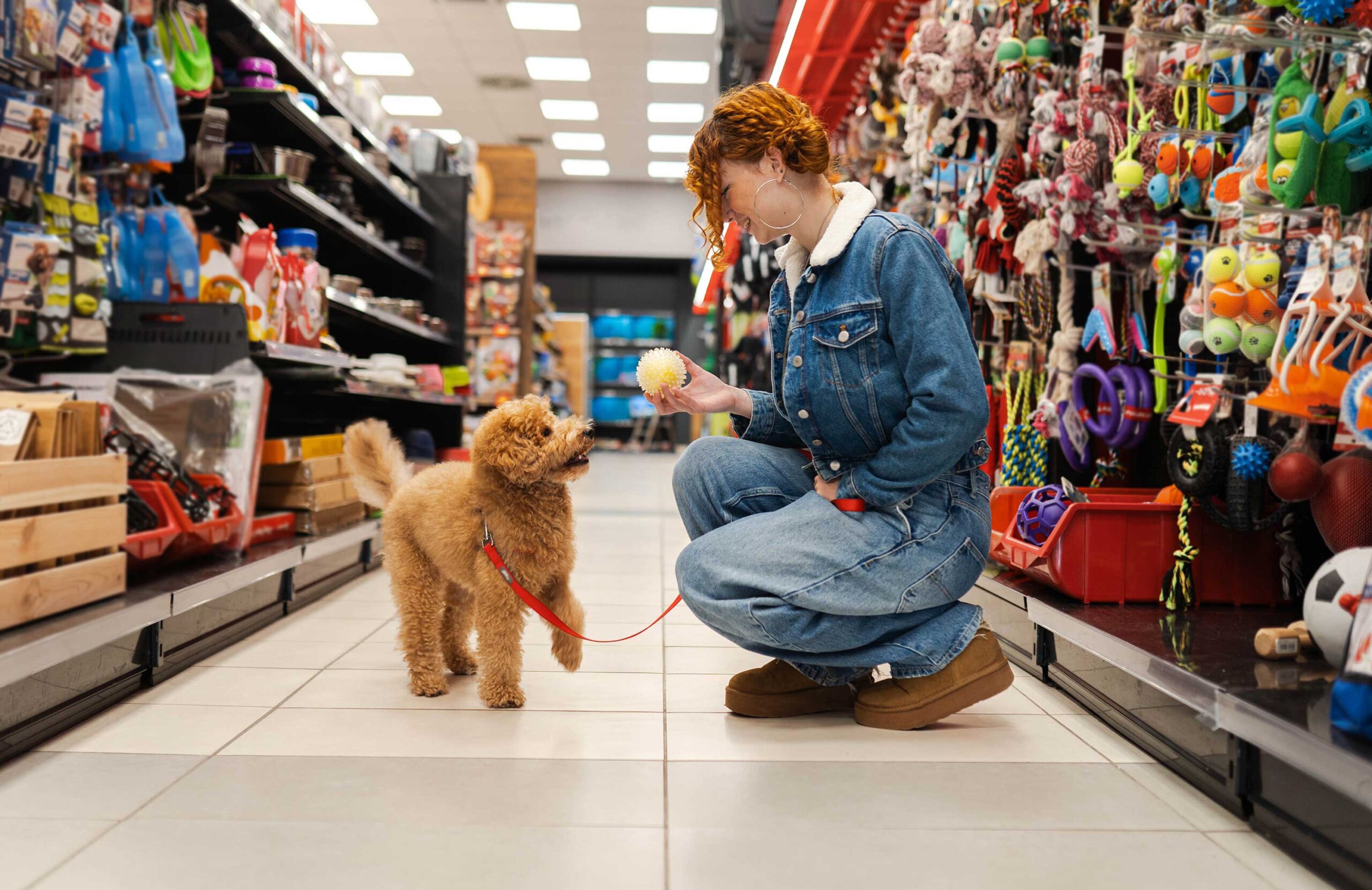
Handling behavioral issues like nipping requires patience, consistency, and positive reinforcement from every member of the household. If the animal acts out, never use physical punishment; instead, redirect its attention to an appropriate chew toy. Teach your child to immediately stop playing and withdraw attention if teeth touch skin, which simulates how littermates react. Consulting a professional trainer or your veterinarian can provide additional strategies. Understanding that a pet might test boundaries during the adjustment phase helps families maintain a calm, structured, and reassuring environment.
How to Help Kids Bond with Their New Pet
Helping kids bond with their new pet deepens empathy and encourages a lifelong appreciation for animals. Involve children in daily routines such as feeding, gentle grooming sessions, and supervised playtime. Teach your child how to properly cuddle and interact without overwhelming the creature. Praise positive behaviors to reinforce accountability. As children actively participate in the care of a pet, they develop a profound sense of responsibility, ensuring a loving, enduring friendship between the young family members and their cherished animal companion.