
Creating an Emergency Plan for Your Family and Pets
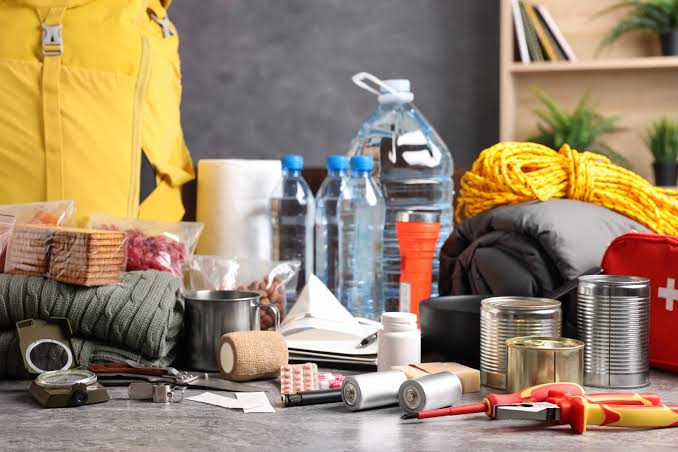
Build a Child and Pet Disaster Preparedness Kit - 15 things You will Need
When disaster hits—wildfire evacuation, power outage, earthquake, flood—you might have only minutes to grab essentials and go. A ready-to-go kit reduces panic, keeps kids and pets safer, and helps you survive comfortably for at least 72 hours until help or services return. Having supplies on hand also means you’re not competing for scarce items at stores or shelters, and you can focus on making clear decisions instead of scrambling for basics like water, meds, or a carrier.
Understanding the Importance of Emergency Preparedness
Why Families Need a Disaster Preparedness Kit
Every family, especially those with children and pets, must prioritize emergency preparedness. A comprehensive disaster preparedness kit is not merely a collection of items; it represents a proactive approach to ensuring the safety and well-being of every family member during unforeseen emergencies. Having a well-stocked kit significantly enhances your family's ability to cope with disruptions, providing crucial supplies when external services may be unavailable and reducing the stress associated with an urgent evacuation. This preparedness kit acts as a vital safeguard, offering peace of mind and the practical means for survival.
The Role of Pets in Emergency Situations
Pets are cherished members of our families, and their safety during an emergency is paramount. Integrating a dedicated pet disaster preparedness plan and a pet emergency kit into your overall family emergency plan is crucial. Animals, like dogs and cats, rely entirely on their human companions for survival, especially when a household needs to evacuate. Failing to include a kit for your pet can lead to heartbreaking decisions or leave pets vulnerable. A well-prepared pet kit ensures that your beloved companions have access to necessary food and water, identification, and other essentials, allowing them to remain safely by your side.
 CDC
CDC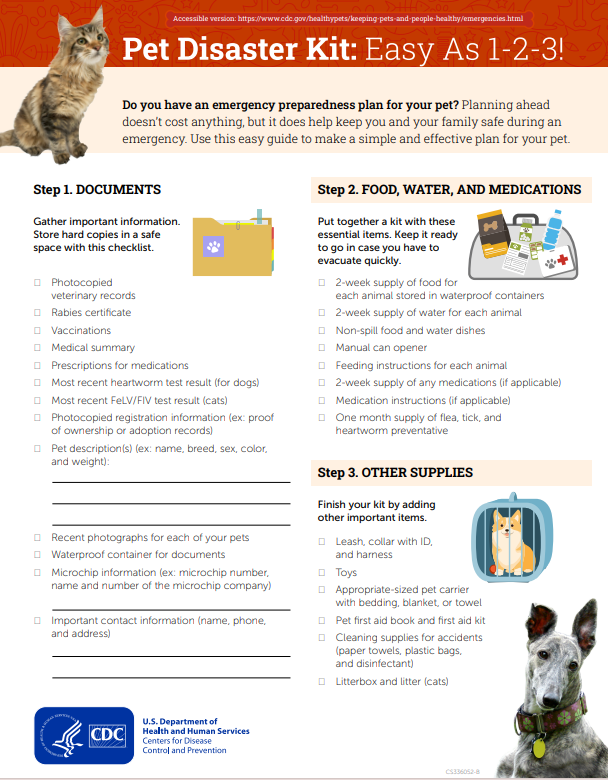
How Preparedness Kits Enhance Survival
A robust emergency preparedness kit is fundamental to enhancing survival during any disaster scenario. It provides the basics for survival, such as water and non-perishable food, ensuring sustenance for at least 72 hours. Beyond the immediate physical needs, these kits offer a sense of control and significantly reduce panic, enabling clearer decision-making during highly stressful times. For families with children and household pets, having all essential items — from a first aid kit to pet carriers and leashes — readily available means you can focus on moving safely to a shelter or designated meeting point, rather than scrambling for critical supplies.
Essential Items for Your Disaster Preparedness Kit
Water and Food Supplies for Family and Pets
Securing an adequate supply of water and non-perishable food is a cornerstone of any effective disaster preparedness kit, crucial for both your family’s survival and your household pets. Aim for at least a three-day supply of water, estimating one gallon per person and pet per day, with additional reserves for sanitation. For food, pack ready-to-eat, non-perishable options for humans and pet food in airtight containers for your dogs and cats, remembering a manual can opener if needed. This foresight ensures sustained nourishment during an emergency and prevents competition for scarce resources at shelters.
First Aid Kit Essentials for People and Pets
A comprehensive first aid kit is an indispensable component of your emergency preparedness, designed to address the immediate medical needs of both family members and pets. This kit should contain standard human first aid items such as bandages, antiseptic wipes, pain relievers, and any prescription medication. Additionally, it is vital to build a pet disaster preparedness kit that includes pet-specific first aid supplies, like gauze, veterinary wrap, pet-safe antiseptic, and a muzzle to ensure pet safety during treatment. Having these provisions readily accessible can make a critical difference in managing injuries or illnesses until professional medical or veterinary assistance becomes available.


Important Documents and Medication
In any disaster scenario, having critical documents and necessary medication readily available is paramount for your family’s and pets’ well-being. Compile a waterproof bag containing physical and digital copies of identification, insurance policies, and contact information for your veterinarian and doctor. Crucially, include at least a seven-day supply of all prescription medication for every family member and pet, along with a printed list of dosages and medical conditions. This organized approach to essential papers and medication is vital for seamless access to services and continued treatment, especially during an evacuation.
Building a Pet Disaster Preparedness Kit
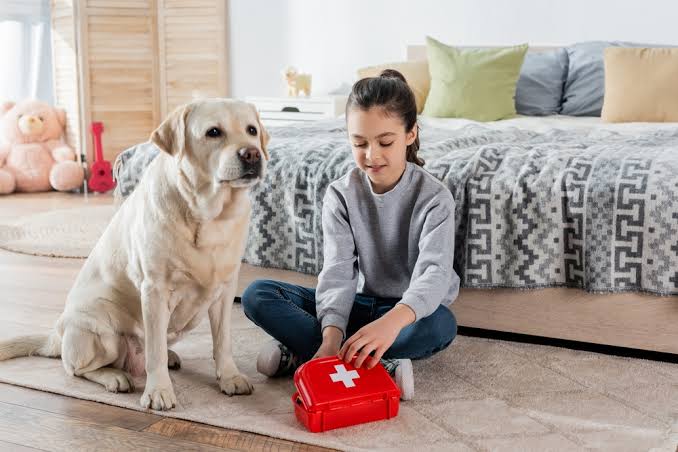
Choosing the Right Pet Carrier and Leashes
Selecting appropriate pet carriers and leashes is fundamental when you build a pet disaster preparedness kit, ensuring the safe transport and restraint of your household pets during an emergency. Each pet, whether a cat or a large dog, should have a sturdy, appropriately sized pet carrier that allows them to stand and turn comfortably. Label carriers with your pet’s identification and your phone number. Alongside the carrier, include an extra leash and harness for each pet, ensuring secure handling during an evacuation or while at a shelter, crucial for pet safety and preventing them from getting lost.
Including Comfort Items for Pets
Integrating comfort items into your pet disaster preparedness kit is crucial for mitigating stress and anxiety in your household pets during an emergency. Familiar items, such as a favorite blanket, a small pet bed, or beloved toys, can provide a sense of security for your cat or dog in unfamiliar environments like a shelter. These comfort objects can significantly help your pet cope with the changes and disruptions inherent in a disaster or evacuation, promoting a calmer demeanor and better overall well-being.
Pet Sanitation Supplies for Emergency Situations
Addressing your pet’s sanitation needs is an often-overlooked yet critical aspect of any pet disaster preparedness kit, especially during an extended emergency or shelter stay. Your kit for your pet should include essential items such as a small bag of litter and a disposable litter box for cats, along with waste bags and pee pads for dogs. Paper towels and a small bottle of household bleach can also be invaluable for cleanup and disinfecting, helping to maintain a hygienic environment for your pets and family members, and preventing the spread of germs in close quarters.
Creating an Emergency Plan for Your Family and Pets

Developing a Meeting Plan in Case of Evacuation
Developing a clear meeting plan is a cornerstone of any effective family emergency plan, especially crucial when you need to evacuate. This strategy should designate at least two meeting points: one immediately outside your home for sudden emergencies, and a second, out-of-area location in case a wider disaster prevents returning home. Ensure every family member knows the locations and has the phone number of an out-of-area contact, as local lines may be overwhelmed. Practicing this plan regularly ensures everyone understands where to go, reducing panic and enhancing survival should your family become separated.
Local Resources and Veterinary Contacts
Having a well-organized list of local resources and veterinary contacts is an essential part of your family’s emergency preparedness and your pet disaster plan. Compile a waterproof bag with printed contact information for local emergency services, hospitals, and crucially, your veterinarian and any nearby pet-friendly shelters or boarding facilities. Include your pet's registration information and vaccination records, as this will be required for entry into most shelters or for veterinary care. This proactive approach ensures you can quickly access assistance for both human and household pets during an emergency.
Keeping Your Kids Informed and Prepared
Keeping your children informed and prepared for an emergency is paramount to their safety and reduces anxiety during a disaster. Involve them in creating your family’s emergency plan and build a pet disaster preparedness kit. Explain the importance of the items in the kit, like the first aid kit and their comfort items. Discuss the meeting plan calmly and practice what to do in various scenarios, such as a fire or a need to evacuate. Empowering children with knowledge makes them feel safer and more capable, turning a potentially terrifying event into a manageable situation.
Evacuation Strategies for Families with Pets
Preparing Your Dog Evacuation Kit
When preparing for an emergency, a dedicated dog evacuation kit is essential for your canine companions, ensuring their safety and well-being during an evacuation. This specific kit should include at least three days of food and water, stored in durable containers, along with a sturdy leash, harness, and an extra tag with updated identification and your phone number. Don't forget their necessary medication, a portable water bowl, and a few favorite toys or a familiar blanket to provide comfort. Having a readily accessible dog evacuation kit means you can quickly secure your dog and move safely to a shelter.
Special Considerations for Cats in Emergencies
Cats require special considerations during emergencies, making a tailored kit for your cat critical for their survival and minimizing stress. Unlike dogs, cats often prefer to hide, so ensure you have a secure, comfortable pet carrier easily accessible for quick retrieval. Your cat’s emergency kit should include several days of food and water, their medication, a small bag of litter and a disposable litter box, and their favorite blanket or toy for comfort. Including their veterinary records and a clear photo for identification will also be invaluable if you become separated, aiding in their safe rescue.
Emergency Medical Information and Identification
For both your family and household pets, readily available emergency medical information and proper identification are non-negotiable for survival during an emergency. For pets, include copies of their vaccination records, current medication lists, microchip information, and your veterinarian’s contact details in a waterproof bag within your pet disaster preparedness kit. Ensure all pets wear collars with up-to-date identification tags, including your phone number. For humans, keep a list of medical conditions, allergies, and prescription medication. This crucial information allows responders to provide appropriate care and facilitates reunion if separated from your beloved pets.
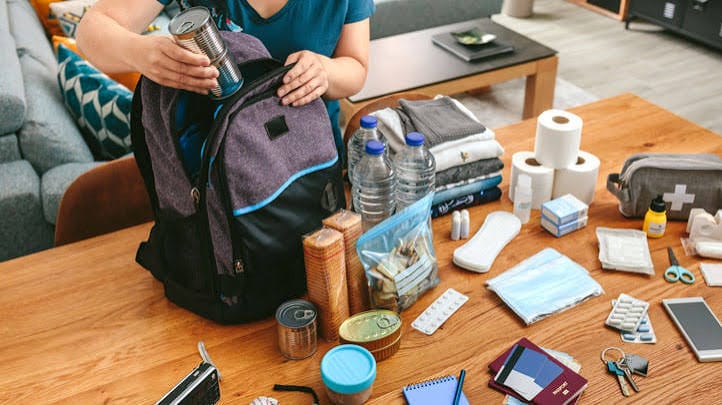
Why emergency kits matter for families with kids and pets
When disaster hits—wildfire evacuation, power outage, earthquake, flood—you might have only minutes to grab essentials and go. A ready-to-go kit reduces panic, keeps kids and pets safer, and helps you survive comfortably for at least 72 hours until help or services return.
Having supplies on hand also means you’re not competing for scarce items at stores or shelters, and you can focus on making clear decisions instead of scrambling for basics like water, meds, or a carrier.
Top 15 things to have ready
Water (people + pets) – At least 1 gallon per person per day for 3 days, plus extra for pets and sanitation; store in durable containers and rotate regularly.
Non-perishable food (people + pets) – 3+ days of ready-to-eat food for everyone, including pet food in airtight bags; include a manual can opener if using canned food.
First aid kit (human + pet) – Bandages, antiseptic, pain/fever meds, tweezers, gloves; add pet-specific items like gauze, vet wrap, and pet-safe antiseptic wipes.
Prescription medications & copies of records – 7+ day supply for each person and pet, plus printed med lists, dosages, and vet/doctor contacts in a waterproof bag.
Flashlights, headlamps, and extra batteries – Hands-free light is crucial if power goes out at night or you’re evacuating in low visibility.
Portable phone chargers + backup power – High-capacity power banks and car chargers to keep phones alive for alerts, maps, and contact with family.
Important documents (digital + physical) – IDs, insurance policies, lease/mortgage info, pet vaccination and microchip records; store copies in a waterproof folder and on your phone/cloud.
Cash in small bills – ATMs and card readers may be down; small bills make it easier to buy gas, food, or supplies quickly.
Multi-tool or basic tool kit – A compact multi-tool, duct tape, and a small roll of paracord can solve a surprising number of problems on the go.
Kid comfort & activity pack – A small backpack per child with snacks, water bottle, favorite small toy/book, coloring supplies, and any comfort items to lower stress.
Pet carriers, leashes, harnesses, and ID – Sturdy carrier/crate for each pet, extra leashes/harnesses, collars with up-to-date tags, and microchip info.
Pet sanitation supplies – Litter box + litter, waste bags, pee pads, paper towels, and a small bottle of household bleach for disinfecting as needed.
Pet comfort items – Familiar blanket, bed, or toys, and any calming treats/oils your pet already uses to reduce anxiety during travel or shelter stays.
Clothing, blankets, and weather gear – One change of clothes per person, plus warm layers, rain ponchos, and compact emergency blankets; add pet cold-weather gear if relevant.
Local info & meeting plan – Printed list of family contacts, out-of-area contact, pet-friendly hotels/shelters on your evacuation routes, and a clear “where we meet if separated” plan.


