Daylight Saving Time Ends November 1: Helping Kids and Pets Adjust to the Clock Change
Clocks fall back at 2 a.m. on Sunday, November 1, 2026. Here is a simple week-before plan for shifting kids' bedtimes and naps, your dog's meals and walks, and your cat's breakfast so the time change is easier on everyone.
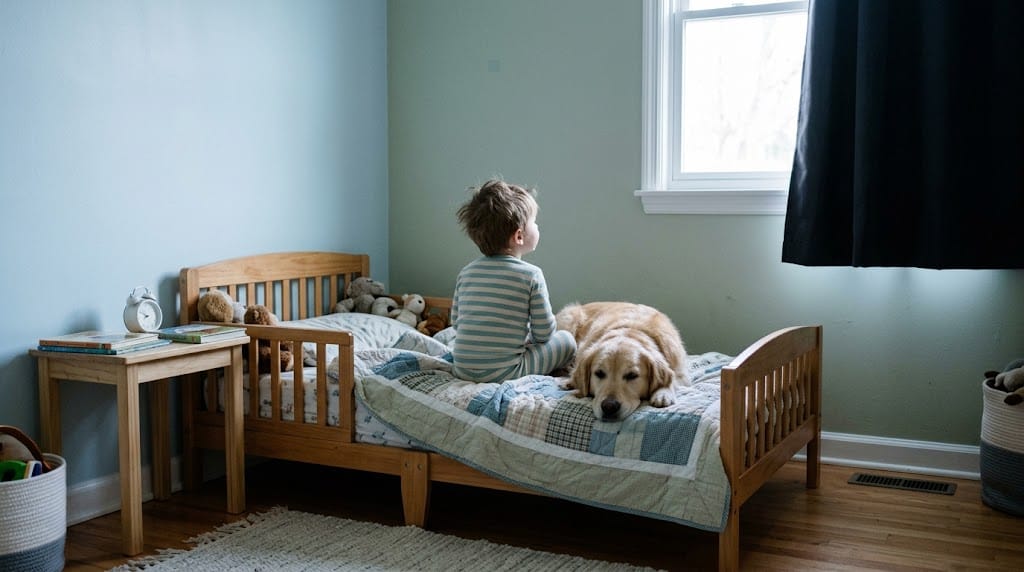
Daylight saving time ends on Sunday, November 1, 2026, at 2:00 a.m. local time. Clocks fall back one hour to 1:00 a.m., which sounds like a gift of extra sleep. Parents of young children and dog owners usually know better. Kids and pets run on their internal clocks, not the one on the microwave, so the first week of standard time often brings 5 a.m. wake-ups, cranky evenings, and a dog asking for breakfast an hour early.
The good news: the fall back change is one hour, and most kids and pets adjust within a week or two. A little planning in the days before November 1 can make that week much easier. Here is a practical plan for helping kids and pets adjust to the time change.
What Happens When Daylight Saving Time Ends
At 2:00 a.m. on November 1, the official time in most of the U.S. moves back to 1:00 a.m. standard time. Hawaii, most of Arizona, Puerto Rico, Guam, American Samoa, and the U.S. Virgin Islands do not observe daylight saving time, so families there have no change to make.
For everyone else, here is what the time change does to a family schedule:
- Morning: A child who naturally wakes at 6:30 a.m. will wake at 5:30 a.m. by the new clock. A dog who eats at 7:00 a.m. will be ready to eat at 6:00 a.m. by the new clock.
- Evening: The sun sets about an hour earlier by the clock. A 7:30 p.m. bedtime now feels like 8:30 p.m. to a child's body, so kids can get overtired before bed.
- Daylight: Afternoon walks, outdoor play, and the trip home from school or practice happen closer to dark.
How the Time Change Affects Kids
Children's sleep schedules are tied to a circadian rhythm, the body's internal clock that responds to light and routine. When the clock on the wall jumps, the internal clock does not. That mismatch shows up as early waking, short naps, and more meltdowns in the late afternoon. According to the Children's Hospital of Philadelphia, children typically adjust within about a week or two.
It helps to know how much sleep your child needs in the first place. The American Academy of Sleep Medicine guidelines, endorsed by the American Academy of Pediatrics, recommend these totals per 24 hours, including naps:
| Age | Recommended sleep |
|---|---|
| 4 to 12 months | 12 to 16 hours |
| 1 to 2 years | 11 to 14 hours |
| 3 to 5 years | 10 to 13 hours |
| 6 to 12 years | 9 to 12 hours |
| 13 to 18 years | 8 to 10 hours |
If your child is already short on sleep, the time change is a good moment to move bedtime earlier for good rather than later.
A Week-Before Plan to Help Kids Adjust to Daylight Saving Time
For the fall back change, you want your child's body to be ready to stay up a bit later and sleep a bit later by the old clock. A gradual shift does that.
- Start about a week early. Beginning around Sunday, October 25, move bedtime 15 minutes later every day or two. Move wake time, naps, and meals by the same amount.
- Example: If bedtime is 7:30 p.m., try 7:45, then 8:00, then 8:15, then 8:30 by the old clock. When the clocks fall back, 8:30 old time becomes 7:30 new time, and your child is back on the usual schedule.
- Keep the bedtime routine the same. Same steps, same order, same length. The Children's Hospital of Philadelphia suggests keeping the routine to about 20 to 30 minutes (40 with a bath).
- Turn off screens early. The AAP recommends turning off all screens at least an hour before bedtime and keeping them out of kids' bedrooms.
- Hold the morning wake time. On Sunday, November 1, wake your child at the normal time on the new clock rather than letting them sleep in. Consistent wake times reset the internal clock faster than late mornings do.
If a gradual shift is not realistic for your family, a simpler option works for many kids: change nothing ahead of time, put them to bed at the usual clock time on Sunday night, and expect a week of adjustment.
Use light on purpose
Light is the strongest signal for the body's clock. In the morning, open the curtains and get kids outside if you can, even for a short walk to the bus stop. In the evening, dim the lights during the bedtime routine. Because it gets light earlier in the morning after the change, room-darkening curtains or blackout shades can help early risers sleep until their usual time.
Handling early risers
For a few days, some kids will wake up at 5:30 a.m. no matter what. A few things help:
- Keep the room dark and the start of the morning quiet and boring until the usual wake time.
- For toddlers and preschoolers, a toddler clock or lamp that changes color at wake time gives a clear signal.
- Push breakfast and the first nap 15 minutes later each day until they line up with the new clock.
Babies and naps
Babies and toddlers who nap may need a few days of flexible nap times. Shift naps in small steps rather than all at once, and expect one or two short naps along the way. If your baby is still learning to sleep through the night, our guide to helping your baby sleep through the night has more on routines that stick.
Teens
Teens often treat the extra hour as a free late night. Remind them that the recommended amount is 8 to 10 hours, and that a steady wake time on Sunday and Monday will make the school week easier.
How Daylight Saving Time Affects Dogs and Cats
Pets do not read clocks, but they are very aware of routine. The American Kennel Club notes that dogs respond to daylight, waking when the sun rises and settling down when it is dark. When meal times and walks suddenly move, some dogs become anxious, get an upset stomach, or have potty accidents in the house.
A gradual plan for dogs
The AKC recommends easing dogs into the new schedule during the week before the time change:
- Shift feeding, walks, and bedtime by 15 minutes.
- Keep that new time for 2 to 3 days, then shift another 15 minutes.
- Once you move a meal or walk, keep it there. Consistency is what helps dogs settle.
Fall back means your dog's breakfast and morning walk need to drift later. If your dog normally eats at 7:00 a.m., aim for 7:15, then 7:30, and so on by the old clock. Most dogs adjust within a few days.
Cats
Cats on a set feeding schedule may start asking for breakfast an hour early by the new clock. The same slow shift works for them. If you use an automatic feeder, move its times in 15-minute steps instead of changing them all at once on Sunday.
Pets and kids on timed medication
If your pet takes medication on a strict schedule, such as insulin, ask your veterinarian how to shift dose times. The same goes for children: check with your pediatrician before moving timed medicines.
Darker Evenings: Walks, Play, and Visibility
After November 1, many evening dog walks and after-school activities will happen at dusk or in the dark. A few simple changes help:
- Use a reflective or lighted collar and leash, and wear something reflective yourself. A hands-free dog leash leaves a hand free for a flashlight or a child's hand.
- Give kids reflective bands or a small clip-on light for backpacks and bikes.
- Move the long walk or outdoor play to the afternoon on weekends when you can, and keep evening walks on familiar, well-lit routes.
- Make sure your pet's ID tags and microchip contact details are current before the darker months.
Daylight Saving Time Checklist for Families
- Around October 25: start shifting bedtimes, meals, and dog walks 15 minutes later.
- Saturday, October 31 (Halloween night): keep the next morning in mind; a late night plus a time change is a lot for little ones.
- Saturday night: set household clocks back before bed.
- Sunday, November 1: wake at the normal time on the new clock, get morning light, and keep meals on the new schedule.
- Test your smoke alarms while you are changing the clocks.
- For the next week: keep routines steady and expect some early mornings.
Routines are what make the change easier for everyone. If you want to tighten up your family's daily rhythm, read our guide to simple daily family routines.
A Note for Parents
The American Academy of Sleep Medicine points out that the fall time change is a good opportunity for adults to adopt an earlier bedtime and work toward at least seven hours of sleep. If you are tired going into the holiday season, use the extra hour on November 1 for sleep instead of chores.
Frequently Asked Questions
When does daylight saving time end in 2026?
Daylight saving time ends on Sunday, November 1, 2026, at 2:00 a.m. local time, when clocks fall back one hour to 1:00 a.m. It begins again in March.
How long does it take kids to adjust to the time change?
Most children adjust within about a week or two. A gradual shift in the week before the change, steady wake times, and morning light can shorten that.
Should I keep my child's bedtime the same after the clocks fall back?
Usually yes, by the new clock. If you shifted bedtime later in small steps beforehand, your child should be ready for their usual bedtime once the clocks change. If not, expect a few overtired evenings and early mornings while their body catches up.
Do dogs notice daylight saving time?
Dogs do not understand clocks, but they notice when meals and walks move. The AKC suggests shifting their schedule in 15-minute steps every 2 to 3 days before the change. Most dogs settle into the new routine within a few days.
Why is my child waking up so early after the time change?
Their internal clock is still on daylight saving time, so their usual wake-up comes an hour earlier by the new clock. Keep the room dark, keep early mornings quiet, and shift meals and naps later in small steps until they line up with the new schedule.
Sources
- NIST: Daylight Saving Time
- HealthyChildren.org (AAP): Healthy Sleep Habits, How Many Hours Does Your Child Need?
- American Academy of Sleep Medicine: Consensus Statement on Pediatric Sleep Durations
- Children's Hospital of Philadelphia: 5 Ways to Help Kids Adjust to Daylight Saving Time
- AASM Sleep Education: Fall Back to an Earlier Bedtime
- American Kennel Club: How Daylight Saving Time Affects Dogs