7 Young Adult Books That Talk About Mental Health

Written by Pia Harris April 27, 2026
YA Books About Mental Health: Novels to Make You Feel Seen
In recent years, there’s been a powerful shift in young adult literature. Young adult books about mental health are no longer pushed to the sidelines—they are front and center, giving readers a deeper understanding of the mental health issues that so many teens face. These novels don’t just tell stories—they speak directly to you, acknowledging your struggles, validating your emotions, and helping you feel seen.
Whether you’re dealing with anxiety, depression, OCD, or trauma, reading stories that reflect your experiences can be life-changing. Young adult novels about mental illness give you characters who survive, cope, and sometimes spiral—just like you. These books can be a lifeline, offering truth, friendship, and healing, especially for readers who might feel alone in their pain.
In this post, we’ll explore powerful YA novels that tackle mental illness with authenticity and heart. From clinical depression and anxiety to panic attacks and self-harm, these books highlight the bravery it takes to keep going—and the strength found in even the most fragile moments.
Why YA Books About Mental Health Matter
Young adult fiction is uniquely positioned to explore mental health in ways that feel raw, real, and personal. Mental illness in YA is not an abstract concept—it’s often the central conflict. The main characters aren’t just dealing with plot twists or romantic complications. They are facing internal wars, emotional challenges, and invisible battles.
Mental health issues like OCD, bipolar disorder, self-harm, and substance abuse are common in today’s society. By featuring these topics in fiction, authors help normalize the conversation and empower teens to use their voice about what they’re going through.
YA Books About Mental Health Often:
- Focus on the main character’s internal behavior and struggle
- Offer realistic portrayals of anxiety, depression, and trauma
- Show the effects of abuse, addiction, and loss
- Provide representation for mental illness in a way that feels authentic
- Tackle social stigma and challenge stereotypes
Here are some of the most powerful YA books about mental health that center real struggles, raw emotions, and the journey to healing.
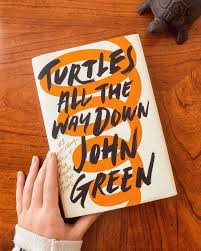
Turtles All the Way Down by John Green
Topics: OCD, anxiety, panic, grief
John Green’s Turtles All the Way Down is a beloved and heartbreaking novel that captures the internal spiral of anxiety and OCD like no other. The main character, Aza Holmes, is a teen trying to live a normal life, but her obsessive thoughts and compulsive behaviors threaten to consume her every moment. This isn’t a story with easy answers. It’s about the everyday challenge of existing with a mental illness that complicates even the smallest decisions.
Green—himself a writer who has spoken openly about OCD—writes Aza’s experience with a fierce honesty that will resonate with you, especially if you struggle with similar thoughts. This isn’t just a mystery about a missing billionaire; it’s an emotional exploration of identity, control, and the limits of your own mind.
Why This Book Stands Out:
- Vivid depiction of intrusive thoughts
- Deep character focus, especially on behavior and inner monologue
- A powerful look at anxiety and mental illness without romanticizing it
- Highlights friendship and the strain mental illness can put on relationships
Every Last Word by Tamara Ireland Stone
Topics: OCD, anxiety, friendship, identity
In Every Last Word, Tamara Ireland Stone introduces you to Sam, a teen with purely-obsessional OCD who hides her mental illness behind a mask of popularity. But when she meets a new group of students—misfits, writers, and poets—her life begins to change. Through spoken word poetry and the support of her new best friend, Sam learns to embrace her truth.
This novel is deeply relatable for anyone who’s ever felt the need to “pass” as normal while hiding a painful truth. It’s a raw and inspiring portrayal of mental health, showing you how even the darkest thoughts can be reshaped through creativity and connection.
Key Highlights:
- Focus on mental illness and anxiety in high-functioning teens
- Emphasis on creative outlets like poetry for healing
- Explores themes of guilt, friendship, and self-worth
- A subtle twist that adds emotional depth and nuance

The Way I Used to Be by Amber Smith
Topics: Sexual assault, PTSD, self-harm, grief
Amber Smith’s The Way I Used to Be is a raw and emotionally devastating debut that doesn’t shy away from the long-term aftermath of trauma. The story follows Eden, a high school student whose life changes after she is raped by her brother’s best friend. The novel spans four years of her life as she struggles to cope with guilt, grief, and self-destructive behavior.
This is not an easy book to read—but for teens who have survived sexual assault or know someone who has, it’s one of the most validating and important novels out there. Eden’s voice is fierce, angry, and heartbreaking, but it also holds a painful truth that refuses to be silenced.
Why This Book Matters:
- Unflinching portrayal of trauma and survival
- Addresses substance abuse, self-harm, and emotional shutdown
- Highlights the complicated nature of friendship and family after abuse
- Gives a voice to teens dealing with sexual violence
Girl in Pieces by Kathleen Glasgow
Topics: Self-harm, clinical depression, addiction, grief
Kathleen Glasgow’s Girl in Pieces is a vivid, unforgettable novel about Charlotte “Charlie” Davis, a seventeen-year-old girl in the aftermath of loss, abuse, and self-harm. After a suicide attempt lands her in a treatment center, she must learn to navigate the world again—with scars on her body and soul.
This YA novel about mental illness is deeply affecting, exploring the gray area between breakdown and survival. With themes of trauma, homelessness, addiction, and depression, this book pulls you into Charlie’s world and challenges you to see her as more than her pain.
Themes That Hit Hard:
- Self-harm and recovery
- Clinical depression and the challenge of rebuilding
- Artistic expression as a coping mechanism
- The blurred line between help and harm
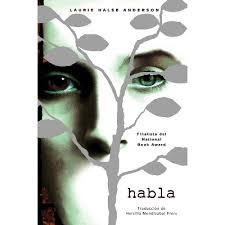
Speak by Laurie Halse Anderson
Topics: Sexual assault, trauma, depression, silence
When it comes to YA novels about mental illness and emotional trauma, Speak by Laurie Halse Anderson is a groundbreaking title that continues to resonate decades after its debut. The novel follows Melinda, a high school freshman who becomes selectively mute after surviving a sexual assault at a party. Her silence becomes both her protection and her prison.
As the school year unfolds, Melinda’s behavior becomes increasingly withdrawn. She stops speaking, isolates herself, and struggles with deep guilt, confusion, and depression. The novel explores how trauma complicates you emotionally and socially, especially when you feel unable—or unsafe—to speak your truth.
Told in stark, powerful prose, Speak is an emotionally raw and fiercely honest portrayal of survival. It highlights the weight of unspoken trauma and the life-changing moment when you find the courage to break your silence. This book continues to be a go-to recommendation for teens and educators who want to understand the psychological aftermath of abuse and how mental illness can manifest in subtle, misunderstood ways.
Why This Book Deserves Its Own Section:
- A powerful exploration of sexual assault and its impact on mental health
- Highlights trauma-induced depression and behavioral withdrawal
- Captures the complexity of silence as both coping and survival
- A seminal YA novel that still calls to you today
Mental Health Themes Addressed:
- Depression
- Post-traumatic stress
- Social isolation
- Guilt and self-blame
- The journey toward healing
Bonus Review Tip: Speak is often included on school reading lists and in book club discussions for a reason—it’s a life-altering novel that gives readers a deeper understanding of how trauma, silence, and mental illness intertwine. If youhaven’t read it yet, prepare for an emotional but essential experience.
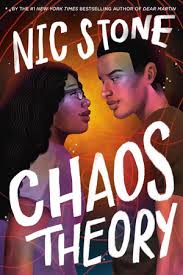
Chaos Theory by Nic Stone
Topics: Bipolar disorder, substance abuse, suicide, love, healing
In Chaos Theory, Nic Stone delivers a bold and beautiful exploration of two teens grappling with mental health issues. Shelbi is a Black girl with bipolar disorder, and Andy is a boy battling substance abuse and the loss of his sister to suicide. Their worlds collide in an unexpected friendship that evolves into something more.
The novel tackles heavy topics like suicide, grief, and stigma—but also shows you the beauty of connection and the power of finding someone who truly sees you. It’s a modern story of struggle and love told with authenticity and compassion.
Why Readers Love It:
- Powerful dual perspective narration
- Focus on bipolar disorder and its effect on behavior and relationships
- Honest depiction of teenage mental health struggles
- First love in the midst of emotional chaos
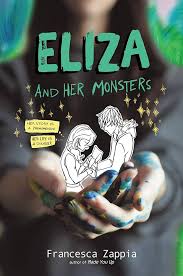
Eliza and Her Monsters by Francesca Zappia
Topics: Social anxiety, depression, identity, online vs. real life
In Eliza and Her Monsters, Francesca Zappia creates a quietly intense and deeply moving story about a girl who lives most of her life online. Eliza Mirk is the anonymous creator of a wildly popular webcomic, Monstrous Sea, but offline she’s almost invisible. Suffering from social anxiety and depression, Eliza finds it nearly impossible to connect with anyone in person—until she meets Wallace, a classmate with his own silent battles.
This YA novel about mental illness doesn’t shout its message—it whispers truths that hit hard. It explores how you might retreat into digital spaces when reality becomes too much and how healing can begin when you finally feel seen, even in your darkest moments.
What Makes This Novel Powerful:
- Unflinching look at social anxiety and internalized pressure
- Complex depiction of depression and suicidal thoughts
- Encourages you to seek connection even when it’s difficult
- A fierce and raw portrayal of identity, passion, and personal crisis
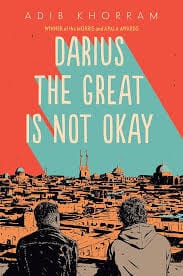
Darius the Great Is Not Okay by Adib Khorram
Topics: Clinical depression, cultural identity, self-worth
Adib Khorram’s Darius the Great Is Not Okay is a tender and life-changing debut that gives a voice to teens dealing with clinical depression. Darius is half-Iranian, half-American, and doesn’t feel like he fits in anywhere—not in school, not at home, and not in his own mind. When he travels to Iran to meet his grandparents for the first time, everything changes.
This novel isn’t just about mental illness—it’s about finding your place, learning how to speak your truth, and realizing that you don’t have to be “fixed” to be loved. The friendship Darius forms is one of the most touching depictions of emotional intimacy in YA literature.
Why This Book Resonates:
- Addresses mental illness across cultural contexts
- Breaks stigma around boys and depression
- Powerful main character with relatable insecurities
- Encourages self-acceptance and emotional vulnerability

Other Impactful YA Novels That Speak to Mental Health
While the titles above are standout examples, there are many other ya books about mental health that are equally impactful and help you feel seen, understood, and supported.
Wintergirls by Laurie Halse Anderson
Topics: Eating disorders, guilt, grief
This novel tackles anorexia and the death of a best friend. It's a haunting and poetic look at how eating disorders distort reality and how you might begin to cope after tragedy.
It’s Kind of a Funny Story by Ned Vizzini
Topics: Depression, hospitalization, pressure
Based on the author’s real-life experience, this novel explores what happens when academic pressure and internalized expectations become too much. It’s a candid, sometimes darkly funny look at depression and the unexpected moments of clarity that can come from hitting rock bottom.
I Was Born for This by Alice Oseman
Topics: Anxiety, identity, fame, pressure
Oseman’s portrayal of mental health in the age of social media is both timely and raw. It speaks to the identity crisis that often hits teens hard—and how anxiety can spiral under pressure.
Why These Novels Can Make You Feel Seen
Young adult novels about mental illness aren’t just entertainment—they're emotional mirrors. When you see a main character survive something you’re still struggling with, something shifts. There’s comfort in knowing you’re not alone, and power in seeing someone like you thrive.
These novels:
- Tackle real issues with emotional honesty
- Represent a wide range of mental health conditions
- Give you the tools to name your feelings and experiences
- Show how healing is complicated, but possible
Whether it's a debut like Girl in Pieces or a beloved novel like Turtles All the Way Down, these stories tackle truth and trauma in ways that go far beyond a simple review. They help you understand yourself—and others—with compassion.

Final Thoughts: A Deeper Understanding Through YA Literature
YA books about mental health are more than just stories—they are tools of empathy, lifelines for those in pain, and vessels of truth. From characters like Aza and Darius to Eliza and Eden, these books reveal the raw, unfiltered reality of living with mental illness.
You deserve to read stories where your panic attacks, your depression, your OCD, your grief, your trauma—are not just acknowledged, but centered. You deserve to see yourself not just survive, but thrive.
These novels:
- Represent the invisible battles so many teens face
- Provide hope in the aftermath of abuse, loss, and self-doubt
- Introduce readers to a broader understanding of mental health
- Break silence, break stigma, and break open conversations
If you’re an avid reader, a blogger, a book club member, or just someone searching for a book that will make you feel heard—start with one of these life-changing novels. They might not “fix” anything, but they will remind you that you’re not broken.
Sometimes, the most powerful thing a book can do is whisper:
“I see you. You’re not alone.”