
Catnip: Everything You Need to Know

Written by Jude Williams April 20, 2026
Have you ever wondered why cats go crazy for catnip? As a cat owner, understanding catnip and its effects on cats can enhance your feline friend's playtime and well-being. This guide covers everything you need to know about catnip, a member of the mint family, from what it is to how it affects your cat.
Understanding Catnip
What is Catnip?
Catnip, scientifically known as Nepeta cataria, is an herb that belongs to the mint family. The catnip plant is native to Europe and Asia but now grows in many regions worldwide. Catmint is another name that you might hear for catnip, which is a member of the mint family. Catnip is famous for its effects on cats, specifically the way cats react to it. It contains an active compound called nepetalactone, which is responsible for the unique behaviors like rolling around, scratching, and overall excitement that cats display when they smell it. These effects make it a popular treat among feline lovers.
 Natalie van Hoose
ypes of Catnip
Here are several types of catnip available, each offering slightly different experiences for your cat. You can find catnip in forms like:
- Fresh catnip, often grown in gardens, which provides the most potent effects.
- Dried catnip, a common alternative easily found in pet stores and catnip toys.
Catnip sprays are also popular, allowing you to infuse scratching posts or other items with the alluring scent. Regardless of the type, the active compound remains the same. You can use catnip in various forms to cater to your cat’s preferences and needs.

How Catnip Works
When cats smell catnip, the nepetalactone binds to receptors in their nose, stimulating sensory neurons that affect the brain. This interaction triggers a cascade of effects, often resulting in playful and sometimes even euphoric behaviors due to the compound in catnip. The effects of catnip vary among cats, with some becoming highly energetic and others more relaxed. Some cats don’t react to it at all; genetics play a significant role in whether a cat will react to it. The response typically lasts for about 5 to 10 minutes. You may find that your cat becomes temporarily immune to it afterwards for a couple of hours.
How Cats React to Catnip
Why Cats Like Catnip
The allure of catnip lies in its active compound, nepetalactone, which mimics feline pheromones. When cats smell catnip, this chemical triggers sensory neurons, creating a euphoric reaction that many cats can’t resist. The effects of catnip can vary; some cats roll around ecstatically, while others become mellow and relaxed. This reaction makes cats love catnip, as the herb taps into their natural instincts and provides a temporary escape from their everyday routine. Like catnip, other herbs in the mint family may elicit similar, though often milder, responses in some felines.
Common Responses to Catnip
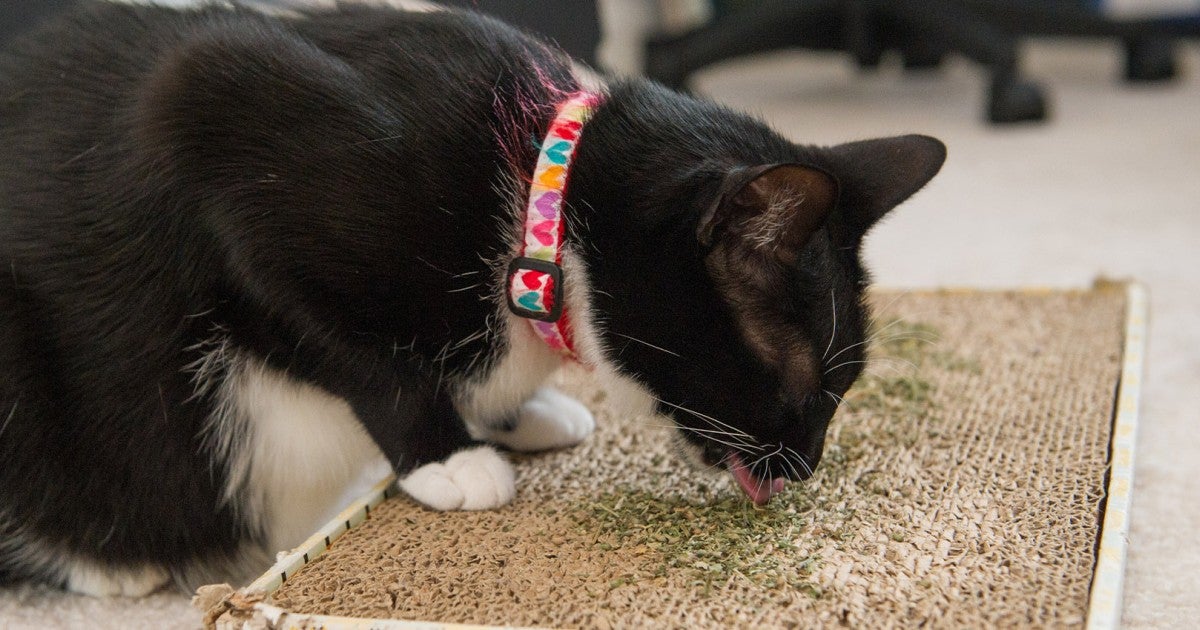
Typical reactions to catnip include rolling, rubbing, kicking, and even vocalizing. Many cats will intensely sniff, lick, and chew the plant or toys. Some cats react by:
- Becoming hyperactive and playful, engaging in behaviors like running and jumping.
- Entering a more relaxed state, seeming dreamy and content.
The effects of catnip usually last between five and ten minutes, making it a delightful experience for your feline friend. Regardless of whether the cat becomes stimulated or mellowed out, the effects are always temporary. Many cats react to it in a similar way each time.
Factors Influencing Reaction
Not all cats react to catnip. The ability to react to it is hereditary, with about 50-75% of cats being susceptible to its effects. Kittens under six months old typically don’t react to it because they haven’t yet developed the necessary receptors. The intensity of the reaction can also vary based on the amount of active compound and the cat's individual sensitivity. How cats react also varies depending on if they sniff or ingest it. Additionally, repeated exposure may lead to temporary desensitization.
 Heather Hoffmann, DVM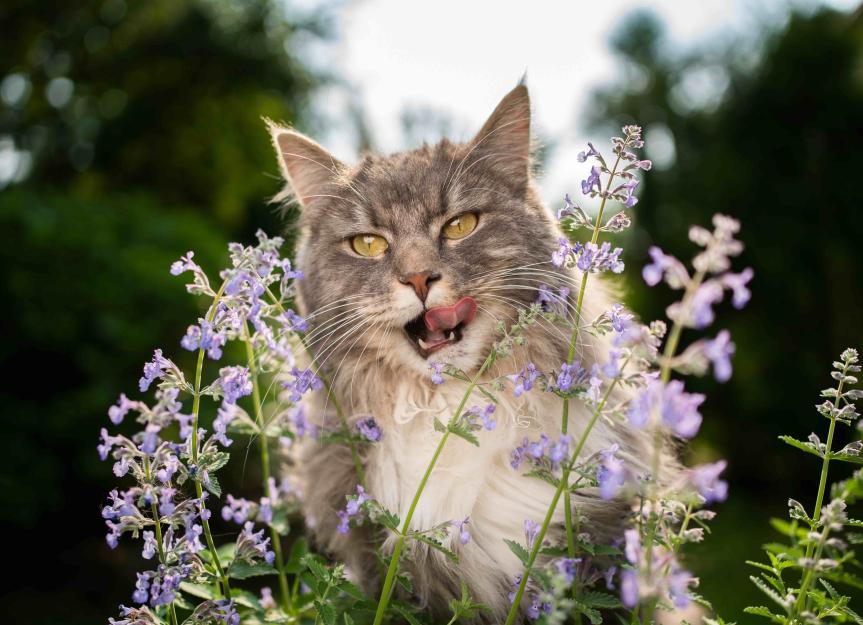
Using Catnip Safely
How to Give Catnip to Your Cat
You can give it to your cat in several ways to enrich their environment and playtime. Here are a few common methods:
- Sprinkle dried catnip on their scratching post, toys, or in their bed to encourage activity and relaxation.
- Use catnip sprays to refresh old toys or make new areas enticing.
For a more potent experience, offer fresh plants for your cat to enjoy. Always supervise your cat when you first introduce it to ensure they react safely and positively. The best way to use it is to give it in moderation.
Safe Amounts of Catnip
While catnip is generally considered safe for cats, moderation is key. A pinch of dried catnip or a few sprays is usually sufficient to produce the desired effects. Overdoing it won't necessarily harm your cat, but it may lead to desensitization, reducing the herb's effectiveness over time; however, catnip is safe for cats when used in moderation. Start with small amounts and observe your cat’s reaction to it to determine the appropriate dosage. The effects vary, so always use it responsibly. When in doubt, consult with your veterinarian.
Can Cats Overdose on Catnip?
Generally, cats cannot overdose on catnip, and it is safe for cats. Cats are unlikely to ingest a harmful amount, even if given the opportunity, because they will usually walk away once they’ve had their fill. Although it is not toxic, consuming too much may lead to mild digestive upset, such as vomiting or diarrhea. These symptoms are rare and self-limiting. You don’t need to worry about your cat needing medical intervention. The effects are usually harmless, and cats go crazy for it.

Benefits of Catnip
Why Use Catnip for Your Cat?
Many cat owners use it to enrich their feline friend's environment. The effects can provide mental stimulation and encourage physical activity. Whether it's dried catnip sprinkled on a scratching post or toys infused with nepetalactone, Catnip offers a safe and fun way to entertain your feline friend. When cats smell it, it can alleviate boredom and reduce stress, making it a valuable tool for promoting overall well-being. The behaviors like rolling around and playing make cats love catnip.
Catnip Toys and Their Advantages
Catnip toys are a popular choice for cat owners looking to provide entertainment and stimulation. These toys often contain dried catnip, enticing cats to play and scratch. The active compound, nepetalactone, encourages behaviors like pouncing and chasing, which helps cats stay active and healthy. Catnip toys can also be a great way to redirect scratching behavior away from furniture, as cats become more interested in the toy. Giving your cat toys is a safe way to make your cat's favorite playtime activity.
Catnip and Kittens
While adult cats often react strongly to it, kittens typically don't show the same response until they are a few months old. Kittens under six months usually lack the fully developed receptors necessary to experience the effects. Introducing it to kittens before this age may not elicit any reaction. However, once they mature, kittens can start to enjoy the benefits just like adult cats. Many cat owners use it to introduce kittens to toys or scratching posts.

Veterinarian Insights on Catnip
What Veterinarians Say About Catnip
Veterinarians often recommend it as a safe and effective way to enrich a cat's environment. When cats smell it, the effects can help reduce anxiety and encourage exercise. Veterinarians understand the active compound and its impact on cats' brains, so they often suggest toys or dried catnip as part of a comprehensive approach to feline well-being. As long as it is given in moderation, most veterinarians agree that it is safe for cats.
Is Catnip Safe for Cats?
One of the most common questions among cat owners is whether it is safe for cats. The answer is generally yes; it is safe for cats and non-addictive. The effects are temporary and do not pose any long-term health risks. While some cats may experience mild digestive upset if they eat too much, serious side effects are rare. Overall, you don't need to worry about it, and catnip may be a beneficial addition to your cat's routine.
https://www.britannica.com/plant/catnip
Related Articles and Resources
For those seeking more information about it and feline care, several resources are available. Reputable pet health websites and veterinary journals offer in-depth articles about the effects on cats. These resources can provide a deeper understanding of how it works and how to safely use it. Additionally, consulting with a veterinarian can offer personalized advice tailored to your cat’s specific needs and health considerations. The active compound is well documented in these resources.