
Importance of Reading to Your Child

Read Aloud Benefits of Reading
Reading to children is one of the most impactful activities you can incorporate into their daily lives. The benefits of reading extend far beyond mere entertainment; it is a cornerstone of early childhood education and a vital component in nurturing well-rounded individuals. By making reading time a regular part of your routine, you provide your children with a head start in literacy development and pave the way for a lifetime of learning and discovery.
Understanding the Benefits of Reading

Why Reading is Important for Young Children
The importance of reading to young children cannot be overstated, as it lays the foundation for language development and literacy. When you read aloud to children, you expose them to new words and sentence structures, expanding their vocabulary and comprehension skills, which are essential for their brain development. Regular reading time becomes an opportunity for parents and children to bond while simultaneously fostering cognitive development in young children. Studies have shown that children who are read to regularly tend to perform better academically.
 Sarah Mackenzie
Emotional and Social Benefits of Reading
Beyond academic advantages, reading to your kids offers significant emotional and social benefits. When you read aloud with your child, you create a shared experience that fosters a sense of closeness and security, giving kids a safe space to explore new worlds. This shared reading experience provides an opportunity for parents and children to discuss the story, characters, and themes, promoting empathy and understanding. The act of reading together can also help children develop emotional intelligence as they explore different perspectives and feelings through the narratives you share aloud with your child.
Long-term Advantages of Early Reading
Investing in early literacy through reading to babies and young children yields long-term advantages that extend well into adulthood. Children who are read to regularly develop a love of reading, which in turn fosters a lifelong pursuit of knowledge and self-improvement. By helping kids learn to appreciate literature from an early age, you empower them with strong reading and writing skills, which are essential for success in school, work, and life. Expose children to different genres; choose books with vibrant pictures in the book to improve the likelihood of reading to your child daily and give kids the chance to explore new worlds.
Read Aloud: Engaging with Your Child

Techniques for Effective Read Aloud Sessions
To maximize the benefits of reading aloud to children, it's important to employ effective techniques that engage and captivate their attention. When you read aloud to your child, use expressive voices and intonations to bring the story to life and help children develop a stronger connection to the characters and plot, enhancing their literacy skills. Encourage interaction by asking questions about the storyEncourage children to think critically about the story, such as what they think will happen next or how a character is feeling, as this helps build their comprehension skills. This not only improves comprehension but also fosters critical thinking skills, which will help them develop important skills faster.
Choosing the Right Books for Your Child
Selecting appropriate books is crucial for fostering a love of reading in young children. Choose books with engaging storylines, vibrant illustrations, and age-appropriate themes that resonate with your child's interests and developmental stage. Consider incorporating a variety of genres, including picture books, fairy tales, and informational texts, to expose children to different styles of writing and expand their knowledge base. Don't be afraid to read the same book multiple times, as repetition can reinforce vocabulary and improve comprehension, helping kids understand new words and develop important language skills.

Incorporating Read Aloud into Daily Routine
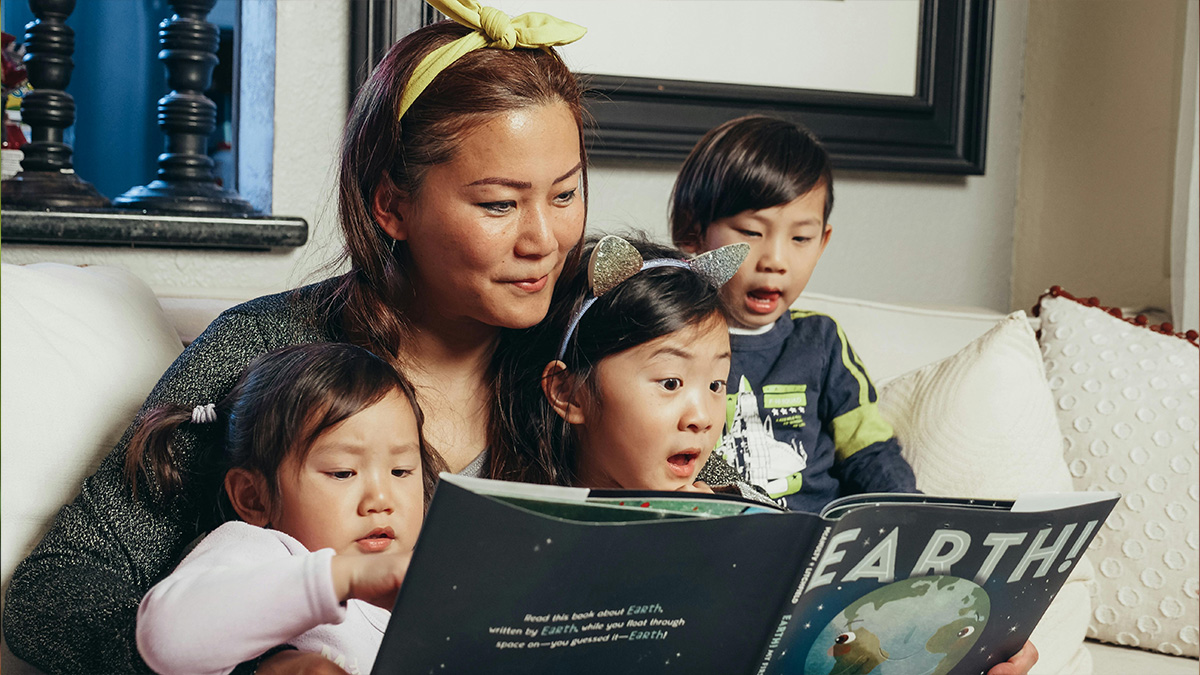
Making reading time a consistent part of your daily routine is key to unlocking the numerous benefits of reading to children, as it significantly aids in their brain development. Set aside a specific time each day for reading, such as before bedtime or after dinner, and create a cozy and inviting reading environment that encourages relaxation and focus. By establishing a regular reading time, you signal to your child that reading is a priority and help them develop a lifelong habit of enjoying books. It can also be used as an opportunity for parents and children to bond and spend quality time together, improving their social skills.
Language Development Through Reading

How Reading Enhances Vocabulary
Reading aloud to children is an excellent way to boost their vocabulary and language skills, helping build their literacy skills. When you read to your child, expose them to a wide array of new words and phrases that they might not encounter in everyday conversation. The more children are read to, the greater their vocabulary becomes, which can lead to improved reading comprehension. By incorporating regular reading time into your daily routine, you can help children develop a rich and diverse vocabulary that will serve them well throughout their lives, helping them learn and grow.
Reading and Comprehension Skills
The importance of reading extends beyond vocabulary building; it also plays a crucial role in the comprehension skills in babies and young children. Reading to young children provides them with the opportunity to practice listening and understanding complex ideas, which helps build their cognitive skills. As children understand the context and follow the narrative, they enhance their ability to comprehend written text. When you read aloud with your child, ask questions about the story to encourage them to think critically and improve their reading comprehension. Help kids by creating a good learning foundation that gives kids the tools they need to thrive academically.
The Role of Storytelling in Language Development
Storytelling is an integral part of language development, and reading to children is one of the most effective ways to introduce them to the art of narrative. By listening to stories, children develop an understanding of story structure, character development, and plot progression, which are essential components of literacy. The benefits of reading to children can also foster their imagination and creativity, as they visualize the characters and settings described in the stories. Reading with your child regularly can help them develop a strong foundation in language and storytelling.
Reading to Young Children: Building a Foundation

Creating a Reading-Friendly Environment
To maximize the benefits of reading to children, it's essential to create a reading-friendly environment that encourages relaxation and engagement. Choose a quiet and comfortable space where you and your child can read together without distractions. Keep a variety of books readily accessible so that your child can easily choose books that interest them. The importance of reading in a positive and supportive environment can help foster a love of reading and make reading time a cherished part of your daily routine, helping kids learn to appreciate books.
Encouraging Interaction During Reading
Reading aloud to children is not a passive activity; it's an opportunity for interaction and engagement. Encourage your child to participate actively by asking questions, making predictions, and sharing their thoughts and feelings about the story. When you read aloud to your child, pause at key moments to discuss the characters, plot, and themes. This helps improve reading comprehension, allowing the children to develop critical thinking skills and strengthens the bond between you and your child. This is also the best time to teach the young child new words and improve their language skills.

Benefits of Children Reading Out Loud to Pets
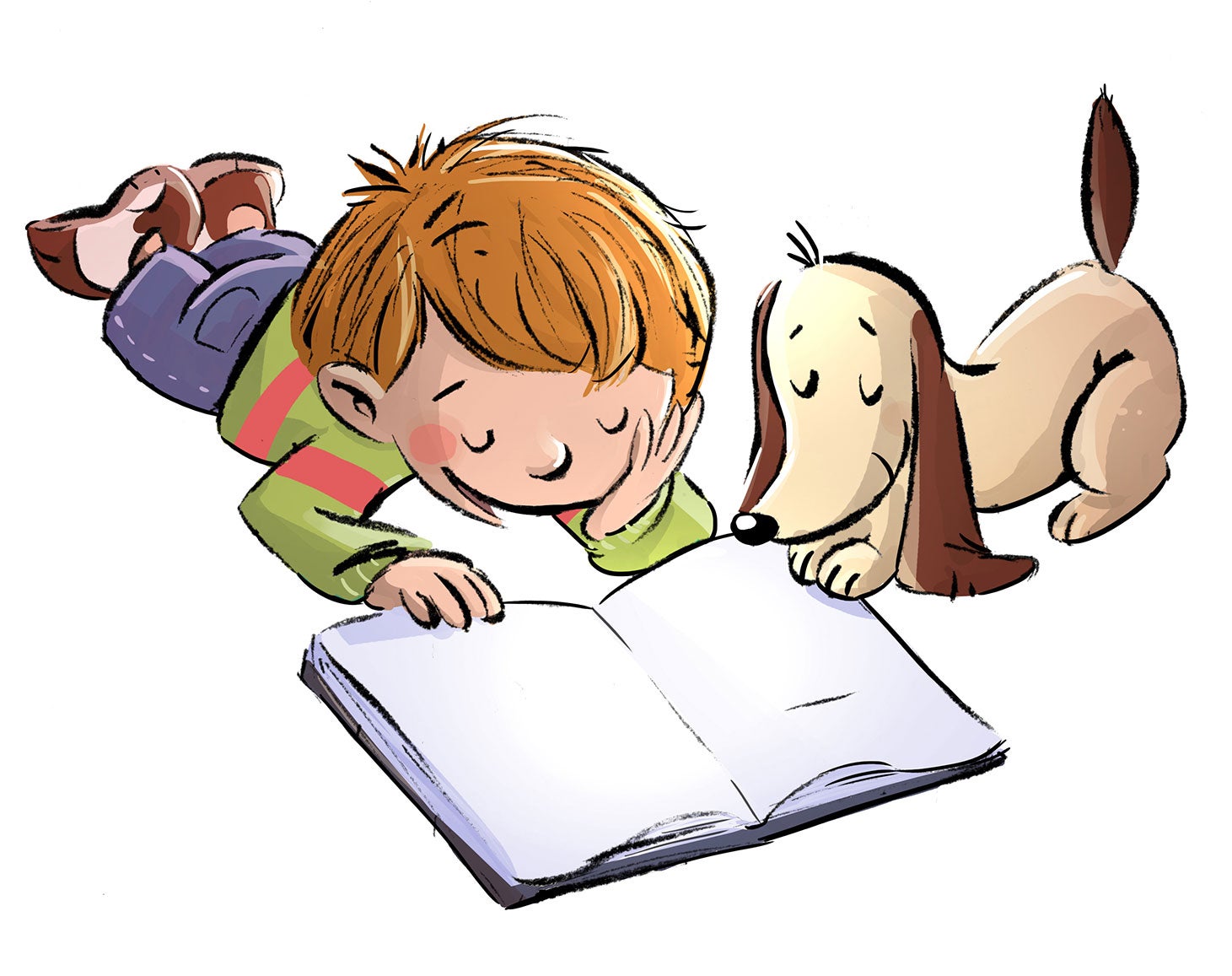
Children who read out loud to pets gain significant benefits in reading skills, confidence, and emotional well-being, often outperforming peers who read to adults. Research shows that reading to a dog, for example, improves reading comprehension and fluency more than reading to a person.
Why Pets Work Better Than Humans
- No judgment: Unlike adults or peers, pets won’t say “you pronounced that wrong” or “slow down.”
- Full attention: Dogs and other pets give their complete, patient attention, which is enormously beneficial during read-alouds.
- Positive reinforcement: By staying near and listening, pets provide encouragement that improves self-esteem.
Many libraries and schools now offer “Read-to-a-Dog” programs with certified therapy dogs because of these proven benefits. You can start at home with any pet, dogs, cats, guinea pigs, or even fish, by making reading to them a regular routine, which helps children learn to express themselves.

Key Benefits
Improved Literacy & Fluency - Pets provide a relaxed setting for repetition; children read more accurately and smoothly, with studies showing increased words-per-minute and comprehension
Boosted Confidence - Pets are non-judgmental—they don’t correct mistakes or criticize mispronunciations, helping children gain self-assurance without embarrassment
Reduced Anxiety - A pet’s calming presence lowers stress, making reading feel less like a performance and more like a fun activity
Increased Motivation - Children are more enthusiastic about practicing when pets are their audience, turning reading into an enjoyable habit
Stronger Human-Animal Bond - Shared reading fosters empathy, connection, and a sense of responsibility toward the pet
Better Self-Esteem - Teachers report improved self-esteem, especially among hesitant or struggling readers, with no loss of motivation.


Monitoring Progress and Encouraging Growth
As your young child progresses on their reading journey, it's important to monitor their progress and provide encouragement and support. Celebrate their achievements, no matter how small, and offer praise for their efforts. If your child is struggling with certain aspects of reading, such as decoding or comprehension, provide additional assistance and resources. By monitoring their progress and offering ongoing support, you can help them develop confidence and a lifelong love of learning.
Help your child read by having them read out loud to pets. Benefits of reading to animals.
One fun and creative way to help children develop their reading skills and confidence is by encouraging them to read out loud to pets. Many babies and young children find reading to animals less intimidating than reading to adults or peers. This can make the experience more enjoyable and help children relax and focus on their reading. The benefits of reading to children in this setting include improved fluency, increased confidence, and a stronger love of reading, all of which contribute to their brain development. This creates an opportunity for parents and children to work together.