5 Healthy Habits to Practice for Healthy Families
A family's health mostly comes down to a handful of healthy habits repeated every day. Below are five that the American Academy of Pediatrics, the CDC and the USDA all point to, each with the number they use: how many hours of sleep a child needs, how much of the plate should be fruits and vegetables, how many minutes of activity, how much screen time, and how long to scrub hands. Read it with your own week in mind and pick one to practice first.

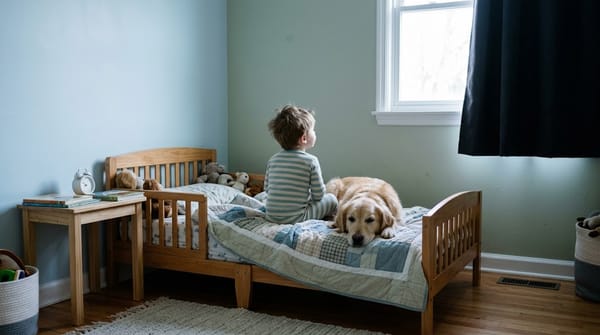
1. Protect sleep with a set bedtime
The American Academy of Sleep Medicine expert panel, whose guidance the American Academy of Pediatrics endorsed, tied getting enough sleep to better attention, behavior, learning and memory. It recommends these amounts per 24 hours:
- 4 to 12 months: 12 to 16 hours, including naps
- 1 to 2 years: 11 to 14 hours, including naps
- 3 to 5 years: 10 to 13 hours, including naps
- 6 to 12 years: 9 to 12 hours
- 13 to 18 years: 8 to 10 hours
Count back from wake-up time to find your child's bedtime. A 7-year-old who gets up at 6:30 needs to be asleep somewhere between 6:30 and 9:30 the night before. A simple bedtime routine helps: bath or wash up, pajamas, brush teeth, a book, lights out at the same time each night. For brushing, the American Dental Association says twice a day for two minutes with fluoride toothpaste, a smear the size of a grain of rice for kids under 3 and a pea-sized amount from 3 to 6, with a parent watching.
2. Eat together as a family, with half the plate fruits and vegetables
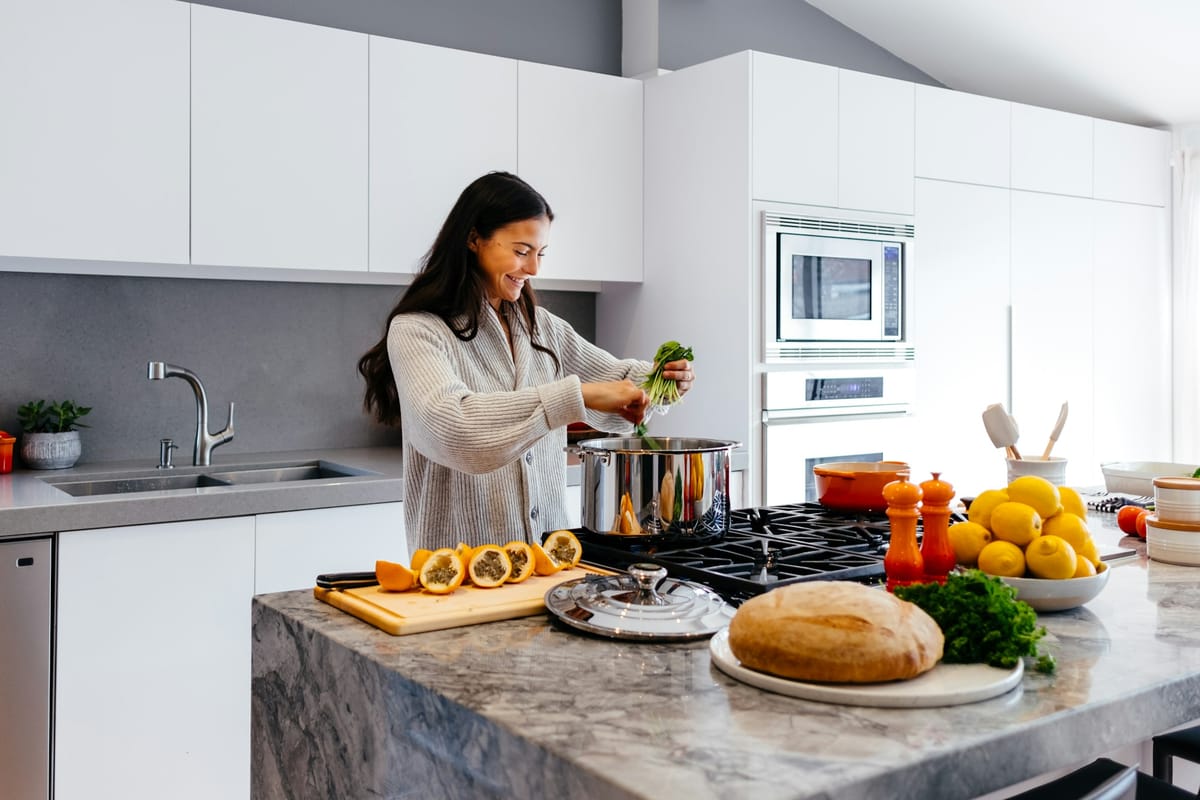
Eating together does not have to mean a home-cooked dinner every night. Breakfast on weekends or a packed lunch at the park counts too. What matters is sitting down at the same table with the screens off. Meals together give you a daily check-in and let you model healthy eating without a lecture, because kids copy what they see you put on your own plate.
The USDA's MyPlate rule is easy to remember: make half your plate fruits and vegetables, and choose whole fruit more often than juice. A few ways to get kids to eat more of them:
- Keep a fruit bowl on the counter and cut veggies at eye level in the fridge, so the easy snack is a healthy one.
- Serve a new food next to one they already like, and offer it again another day if it gets pushed away.
- Let kids pick a vegetable at the store and help wash or stir it. Helping makes a new food feel less strange.
Healthy eating habits form when healthy foods are simply what is around. You do not need rules about "good" and "bad" food to help kids make healthy choices.
3. Move for an hour a day
The CDC and the federal Physical Activity Guidelines say kids ages 6 to 17 need at least 60 minutes of moderate to vigorous physical activity every day. On at least 3 of those days, some of it should be vigorous (running, fast biking), some should build muscle (climbing, push-ups) and some should build bone (jumping, running). Kids ages 3 to 5 should be active throughout the day.
The hour can add up across the day. A walk to school, recess, a bike ride after dinner and a living room dance break all count. Some of it can happen together as a family on weekends, and the dog can come too. Here are a few ways to exercise with your dog that work for kids too.
4. Set screen limits by age
The American Academy of Pediatrics recommends no screen time for babies under 18 months except video chatting with family. From 18 to 24 months, if you use screens, pick high-quality shows and watch with your child. For ages 2 to 5, the AAP suggests about one hour a day of high-quality programming. For older kids there is no single number. Instead, the AAP asks families to make sure screens do not crowd out sleep, physical activity and time together.
Two rules cover most of it: no screens at the table, and screens off an hour before bed and out of bedrooms overnight. The AAP's free Family Media Plan at healthychildren.org/MediaUsePlan helps you write your own rules by age.
5. Wash hands at the right times
Handwashing is one of the simplest ways to keep a family's health and well-being on track through cold and flu season. The CDC says to scrub with soap for at least 20 seconds, about as long as humming "Happy Birthday" twice. The times that matter most are before eating or helping make food, after using the toilet or changing a diaper, after blowing your nose, and after touching pets, pet food or pet waste. If there is no sink nearby, use a hand sanitizer with at least 60% alcohol.
Put a step stool at the sink and a timer song on repeat, and handwashing teaches kids a routine they can do on their own.
One more: keep the yearly checkup
A primary care visit once a year rounds out these habits. The AAP's Bright Futures schedule recommends a well-child visit every year from age 3 through 21, with more visits in the first years. It is a good time to ask about sleep, eating and activity, and for vaccines and screenings.
Wellness for healthy families is mostly routine. If you want help building these habits into a daily schedule, our guide to simple daily family routines shows how to fit them into mornings and evenings.
Sources: American Academy of Sleep Medicine pediatric sleep recommendations (endorsed by the AAP); CDC and HHS Physical Activity Guidelines for Americans; USDA MyPlate; American Academy of Pediatrics media guidance and Bright Futures schedule; CDC Clean Hands; American Dental Association.