
Can Dogs Sniff and Detect Cancer and Other Illness?

For centuries, dogs have been our loyal companions, celebrated for their unwavering affection and remarkable abilities. But beyond their roles as beloved pets, dogs possess an extraordinary talent that has captured the attention of scientists and medical professionals alike: their incredible sense of smell. This heightened ability, far surpassing that of humans, has led to groundbreaking research exploring whether dogs can accurately detect conditions like cancer and diabetes. dogs can detect diseases like cancer and other ailments through scent alone.
Cancer Detection
How Dogs Could Detect Cancer
The possibility that a dog could detect cancer is fascinating. How exactly do dogs achieve this remarkable feat? The answer lies in their olfactory system. With up to 300 million scent receptors, dogs possess an unparalleled ability to analyze complex odors. Researchers believe that dogs seem to have an innate ability to detect certain diseases through their sense of smell. cancer cells release specific volatile organic compounds, or VOCs, that differ from those emitted by healthy cells. Dogs are particularly sensitive to these subtle changes, allowing them to potentially sniff out cancer at its earliest stages.


The Science Behind Dogs Smelling Cancer
The science behind dogs smelling cancer revolves around their exceptional olfactory capabilities and the unique chemical signatures produced by cancerous cells. Studies have shown that dogs can use their sense of smell to identify volatile organic compounds associated with various types of cancer. These VOCs are present in bodily fluids and even human breath. Trained dogs are exposed to samples containing cancerous VOCs and rewarded for correctly identifying the scent, reinforcing their detection skills, as dogs can accurately detect these harmful compounds. The training hones their ability to differentiate between normal and cancerous scents.
Success Stories of Canine Cancer Detection
Here's how canine cancer detection has shown promise in various studies:
- Some dogs have demonstrated the ability to detect breast cancer with high accuracy.
- In other instances, dogs were able to detect lung cancer, bladder cancer, and other forms of the disease with remarkable precision.
The potential impact on early cancer diagnosis and treatment is immense, driving ongoing efforts to harness the power of the canine sense of smell for medical advancements.

Other Diseases Dogs Can Smell
Dogs Sense Illness: Beyond Cancer
While much attention is given to how dogs could detect cancer, their ability to detect disease extends far beyond oncology. Dogs can detect a range of other medical conditions through their incredible sense of smell. They achieve this by sensing changes in volatile organic compounds associated with several health issues, including those that dogs can pick up on, such as migraines in sufferers with dogs.
- Infections
- Metabolic disorders
- Neurological conditions
This broad spectrum of detection makes dogs useful in various medical scenarios, highlighting the versatility of their olfactory capabilities. The scent of diseases other than cancer is a growing area of research, showing that dogs can also detect a variety of ailments, including neurological disorders.
 ✉Corresponding author.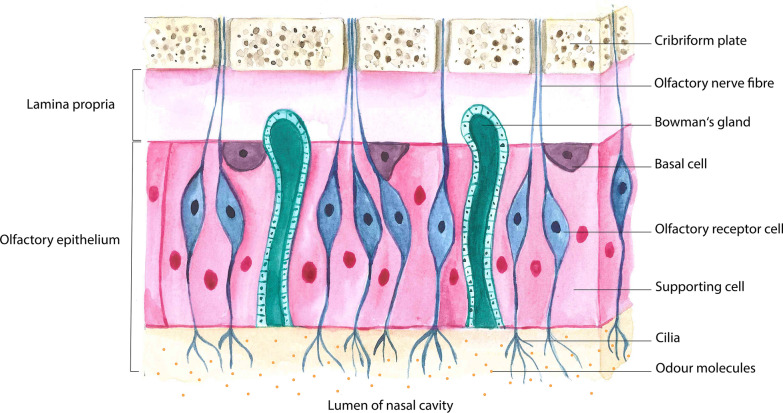
Detecting Seizures with a Dog's Nose
One fascinating application of canine scent detection is the identification of epileptic seizure activity. Alert dogs, often referred to as seizure alert dogs, are trained to detect subtle changes in a person's scent that occur before or during a seizure. While the exact mechanism is still under investigation, researchers believe that dogs pick up on volatile organic compounds released by the body during the pre-seizure or seizure phase. The ability to detect seizures allows these dogs to alert the individual or caregivers, providing a crucial warning that can prevent injury or even save lives, showcasing how dogs can accurately detect medical emergencies.. This incredible skill transforms service dogs into invaluable partners for individuals with epilepsy.
How Dogs Can Detect Low Blood Sugar
Diabetic alert dogs are another testament to the incredible abilities of dogs. These dogs are trained to detect changes in blood sugar levels, specifically when a person's blood sugar drops too low (hypoglycemia) or rises too high (hyperglycemia). By detecting subtle scent changes associated with these fluctuations, diabetic alert dogs can provide a crucial warning to their owners, allowing them to take necessary action, such as administering insulin or consuming glucose. This early warning system can prevent serious health complications and even save lives, making these diabetic alert dogs invaluable companions for individuals with diabetes, ensuring they can maintain stable blood sugar levels, demonstrating that the dogs are able to smell impending health risks.

Dogs Detecting Other Diseases
Dogs’ powerful sense of smell—estimated to be tens of thousands of times stronger than humans—allows them to detect a variety of diseases beyond cancer. Studies have shown that dogs can identify conditions such as diabetes by sensing dangerous drops in blood sugar levels. Diabetic alert dogs can warn their owners before symptoms become severe, helping prevent medical emergencies.
There is also growing evidence that dogs may be able to detect illnesses like Parkinson’s disease, certain infections, and even migraines before they fully develop. These abilities are believed to stem from dogs detecting volatile organic compounds (VOCs) that the human body releases when it is under stress or illness. As research continues, scientists are working to better understand and potentially replicate this detection ability in medical technology.


The Process of Disease Detection
How Dogs are Trained to Detect Disease
The process of training dogs to detect disease is rigorous and requires patience, as untrained dogs may struggle to accurately identify the specific scents associated with illnesses. Dog trainers often start with basic scent work, teaching the dog to associate a particular scent with a reward, which helps dogs detect more complex odors later on. Once the dog masters this, the trainer introduces the target scent, such as a volatile organic compound associated with cancer. The dog can then use the new scent to help sniff out the disease, demonstrating how dogs can pick up on subtle changes in a person's health. Through repeated exposure and positive reinforcement, dogs are trained to detect the specific scent, gradually increasing the difficulty by introducing distractions and varying the sample types.
The Role of Scent in Disease Detection
Scent plays a pivotal role in the ability of dogs to detect disease. With their exceptional sense of smell, dogs are particularly sensitive to volatile organic compounds released by diseased cells. These compounds act as unique scent markers, allowing the dog to distinguish between healthy and unhealthy samples. The ability to detect these subtle differences in scent is what makes canine disease detection possible. This is what makes the dog a good candidate to find if a human is ill.

Limitations and Challenges in Detection
Despite their remarkable capabilities, there are limitations and challenges in detection. Factors such as environmental conditions, individual dog variability, and the complexity of disease biomarkers can affect accuracy, but trained dogs seem to overcome many of these challenges. Maintaining consistency in training and ensuring the reliability of results are ongoing challenges. Further research is needed to standardize training protocols and validate the accuracy of canine disease detection across diverse populations. Also, some research has shown that dogs can use their noses to detect disease, but further studies are needed to better improve detection.
The Future of Canine Disease Detection
Research and Innovations in Training
Ongoing research is focused on refining training techniques and improving the accuracy of dogs trained to detect disease. Innovations such as virtual reality simulations and advanced scent delivery systems are being explored to enhance training efficiency. Researchers are also investigating the genetic factors that contribute to superior olfactory abilities in dogs, with the goal of selectively breeding dogs for disease detection work. All this information could help inform future study and research. Because dogs sense diseases very well, it could make a big impact on medical research, especially as researchers explore how dogs may assist in early diagnosis.
Potential Impact on Healthcare
The integration of canine disease detection into healthcare has the potential to revolutionize early diagnosis and treatment. Dogs are able to smell cancer, COVID-19, diabetes and other diseases. By providing a non-invasive and cost-effective screening method, dogs can detect diseases at early stages when intervention is most effective. This could lead to improved patient outcomes, reduced healthcare costs, and enhanced quality of life. Because dogs can detect cancer, it could help humans survive the illness, since early detection is important for surviving this illness. It is important to have trained dogs ready and available.
Integrating Dogs into Medical Diagnostics
The integration of dogs into medical diagnostics requires careful consideration of ethical and practical factors. Standardized protocols for sample collection, handling, and analysis are essential to ensure the reliability of results. Collaboration between medical professionals and dog trainers is crucial for developing effective screening programs, as dogs are being trained to enhance diagnostic processes. Additionally, patient privacy and safety must be prioritized. As canine disease detection gains acceptance, integrating dogs into medical settings could become a reality, providing a valuable tool for early disease detection, especially as dogs are being trained to identify various health issues. The more diseases dogs can detect, the more it can help human life.

The Role of Therapy Dogs in Healing
In addition to detection, dogs play a powerful role as therapy animals, offering emotional and psychological support to people facing a wide range of health challenges. Therapy dogs are commonly found in hospitals, rehabilitation centers, nursing homes, and even schools, where they help reduce stress, anxiety, and feelings of isolation.
For patients dealing with chronic illness, mental health conditions, or recovery from surgery, the presence of a calm, friendly dog can have measurable benefits. Interacting with dogs has been shown to lower blood pressure, reduce cortisol levels, and increase the production of feel-good hormones like serotonin and oxytocin. This can lead to improved mood, faster recovery times, and a greater overall sense of well-being.
More Than Companions
Whether detecting disease or providing comfort, dogs continue to prove they are far more than just pets. Their unique abilities and deep bond with humans make them invaluable partners in both medical detection and emotional healing. As science continues to explore these remarkable skills, the role of dogs in healthcare is likely to expand—offering hope, safety, and companionship to those who need it most.