
Hot Weather Pet Safety: Keep Pets Cool in Summer - Dog and Cat Tips

As the temperatures rise, so does the risk of heat-related illnesses for our beloved companions. Ensuring the safety and well-being of dogs and cats during hot weather is paramount for every responsible pet owner. This comprehensive guide provides essential tips and insights to keep your pets cool, comfortable, and safe throughout the summer months.
Understanding Heatstroke in Pets

Heatstroke is a serious and potentially fatal condition that can affect dogs and cats, particularly during periods of hot weather. It occurs when a pet's body temperature rises to a dangerously high level, overwhelming their natural cooling mechanisms. Understanding the intricacies of heatstroke in dogs and cats is the first step in preventing this life-threatening emergency and ensuring your pet's well-being.
What is Heatstroke?
Heatstroke is a severe form of hyperthermia where a pet's body temperature elevates beyond a healthy range, typically above 104°F (40°C). When mechanisms to dissipate heat are insufficient, their bodies can overheat rapidly. This can lead to cellular damage, organ failure, and in severe cases, death, making it crucial to keep pets cool.
| Species | Primary Cooling Mechanism |
|---|---|
| Humans | Profuse sweating |
| Dogs | Panting |
| Cats | Grooming |
Signs of Heatstroke in Dogs and Cats
Recognizing the signs of heatstroke in dogs and cats early can be life-saving. While the specific indicators can vary, common signs include excessive panting, an increased heart rate, and visible distress. Pet owners should be vigilant, especially during warm weather, and understand that these symptoms signal a critical need for intervention to prevent the condition from worsening and to protect your pet.

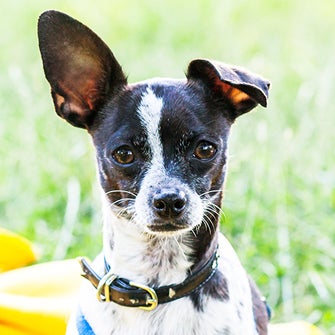
Early Signs of Heatstroke
Early signs of heatstroke may be subtle but are crucial to catch. Recognizing these initial indicators allows pet owners to take immediate action to prevent the condition from escalating to a more severe stage. Such actions include moving their pet to a cooler environment and offering fresh water.
| Early Signs of Heatstroke | Species |
|---|---|
| Restless behavior, seeking shade, persistent pronounced panting | Dogs and Cats |
| Lethargy, uncoordinated movement (as body temperature climbs) | Dogs and Cats |
Hydration: Keeping Your Pets Cool
Importance of Hydration
Hydration is absolutely crucial for dogs and cats, especially during hot weather, as it plays a vital role in regulating their body temperature and preventing heatstroke. Just like humans, pets need a consistent supply of fresh water to keep their bodily functions running optimally and to combat the dehydrating effects of high temperatures. Ensuring your pet is well-hydrated is a fundamental aspect of keeping pets cool and healthy throughout the warmer months, significantly reducing the risk of overheating.
How to Hydrate Dogs and Cats

To effectively hydrate dogs and cats, always provide access to plenty of fresh water. For dogs, especially after outdoor activities, encourage them to drink regularly. Cats can be a bit more particular, so consider a few strategies to increase their water intake:
- Using water fountains
- Adding a little water to their wet food
- Offering ice cubes in their water bowl
Ice cubes can also entice them to drink more and help keep your pet cool. In very hot weather, monitor their water consumption closely to ensure they are getting enough.
Tips for Keeping Water Accessible
Accessibility is key when it comes to keeping your pets cool and hydrated. Place multiple bowls of fresh water around your home and yard, especially in shady spots if they spend time outdoors. For dogs and cats that accompany you on walks or car rides, always carry a portable water bottle and a collapsible bowl. Regular replenishment of water bowls with cool water is essential, and ensure the bowls are clean to encourage drinking. These simple tips for keeping water accessible can make a significant difference in preventing heatstroke.
Strategies to Keep Dogs Cool in Summer

Creating a Cool Environment at Home
To keep dogs cool in summer, creating a cool environment at home is paramount. Utilize air conditioning to maintain a comfortable indoor temperature, especially during the hottest parts of the day. If air conditioning isn't available, strategically place fans to circulate air, ensuring they don't blow directly onto your dog for prolonged periods, which can dry out their eyes. Drawing curtains or blinds can also help to block out direct sunlight, keeping the internal temperature lower and protecting your pet from the summer heat.
Outdoor Time: Best Times of the Day
Limiting outdoor activities to cooler parts of the day is crucial for keeping dogs cool in hot weather. The best times for walks and play are typically early morning or late evening, when the sun is less intense and the pavement has had a chance to cool down. Avoid midday outings when the sun is at its peak, as this is when the risk of heatstroke is highest. Adjusting your schedule to these cooler periods will significantly reduce the chances of your dog overheating and developing heatstroke.
Keeping Dogs Cool During Walks
When taking your dog for a walk in warm weather, several precautions can help keep dogs cool. Always carry fresh water and a portable bowl to hydrate your pet frequently. Stick to shaded areas and grass whenever possible, avoiding hot pavement that can burn their paw pads. If you must walk on asphalt, test its temperature with your hand; if it's too hot for your hand, it's too hot for your dog's paws. Shorten the duration of walks and be vigilant for any signs of heatstroke, stopping immediately if your dog seems distressed.
Safety Precautions for Pet Owners

Risks of Hot Cars
One of the most dangerous situations for dogs and cats in hot weather is being left in a hot car. The interior of a car can heat up quickly, reaching life-threatening temperatures within minutes, even on a seemingly mild day with the windows cracked. Never leave your pet unattended in a vehicle, as this can rapidly lead to heatstroke and even death. It’s a critical summer safety tip that every pet owner must adhere to to keep your pet safe and prevent tragic outcomes.
Recognizing When Your Pet is Overheating
Pet owners must be adept at recognizing when their pet is overheating to prevent severe heatstroke. Early signs of heatstroke in dogs and cats include excessive panting, drooling, lethargy, and seeking shade. As the condition progresses, you might notice stumbling, vomiting, diarrhea, or even seizures. If you observe these signs, immediately move your pet to a cooler environment, offer cool water, and apply cool, wet cloths to their body. Prompt action can be life-saving for a pet suffering from heatstroke.
Veterinarian Tips for Keeping Your Pets Safe
Veterinarians offer invaluable tips for keeping your pets safe during hot weather. They emphasize the importance of consistent access to fresh water, avoiding strenuous outdoor activities during peak heat, and never leaving pets in hot cars. A veterinarian can also provide specific advice tailored to your pet's breed, age, and health condition, as some dogs and cats are more susceptible to heatstroke. Regular check-ups can also ensure your pet is healthy enough to handle the summer heat, helping to protect your pet from the dangers of overheating.


